
How Long Does a Watch Really Last? Lifespan, Maintenance & Long-Term Value Explained
Introduction
When buying a watch, many people focus on design, brand, or movement—but one important question is often overlooked: how long will this watch actually last?
Whether you’re choosing your first watch or building a collection, understanding a watch’s lifespan helps you make smarter decisions and avoid disappointment. In this guide, we’ll explain how long different types of watches last, what affects longevity, and how proper maintenance can dramatically extend a watch’s usable life.
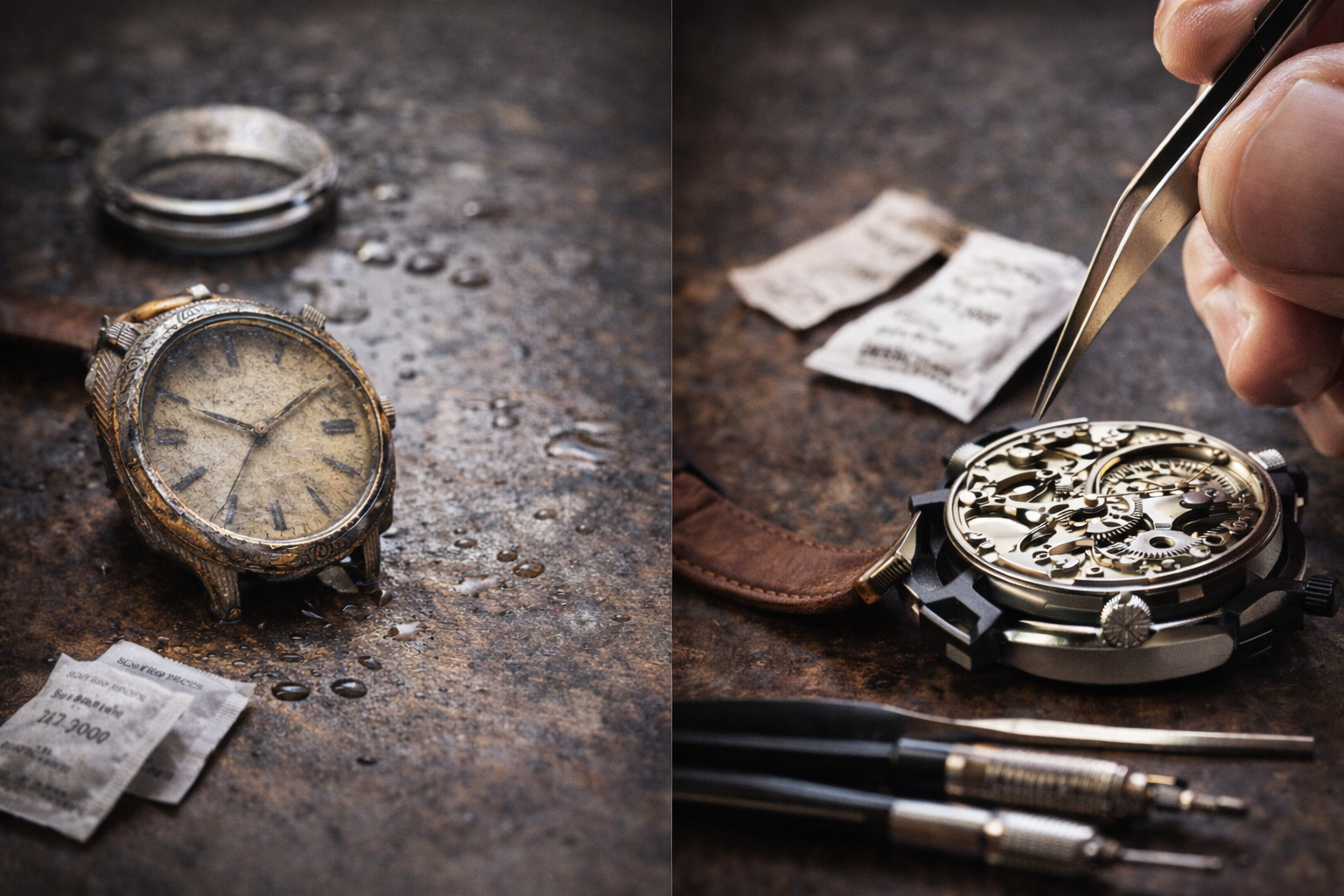
How Long Do Watches Usually Last?
The lifespan of a watch depends largely on its movement type, build quality, and how it’s cared for.
In general:
-
Quartz watches can last 10–20 years
-
Automatic watches can last several decades
-
High-quality mechanical watches can last a lifetime or longer
However, these numbers assume basic maintenance and reasonable daily use.
Quartz Watch Lifespan
Quartz watches are powered by batteries and electronic components, making them extremely accurate and low maintenance.
Typical lifespan:
-
10–20 years
-
Sometimes longer with quality components
What affects longevity:
-
Battery leakage (if batteries aren’t replaced on time)
-
Electronic circuit aging
-
Case sealing and water resistance
Quartz watches are ideal for people who want reliability with minimal upkeep, but once internal electronics fail, repairs may not always be cost-effective.
Automatic Watch Lifespan
Automatic watches are mechanical machines made of dozens or even hundreds of moving parts. With proper care, they can last far longer than quartz watches.
Typical lifespan:
-
30–50 years
-
Often much longer with regular servicing
Key factors:
-
Service intervals
-
Lubrication condition
-
Wear frequency
If you want a deeper understanding of upkeep, see our guide on how often you should service your automatic watch.
What Shortens a Watch’s Lifespan?
Regardless of movement type, several common factors reduce how long a watch lasts:
-
Skipping maintenance
-
Exposure to water beyond rated resistance
-
Strong magnetic fields
-
Physical shocks or drops
-
Poor storage conditions
Even a well-made watch can wear out early if these factors are ignored.
Maintenance: The Key to Longevity
Maintenance is the single most important factor in determining how long a watch lasts.
-
Quartz watches need battery replacement every 2–3 years
-
Automatic watches need full servicing every 3–5 years
If you’re comparing upkeep between movements, our article on automatic vs quartz watch maintenance breaks this down in detail.
Does Accuracy Change Over Time?
Yes. All watches experience accuracy changes as they age.
-
Quartz watches may drift slightly as electronics degrade
-
Automatic watches lose accuracy when lubrication dries out
If accuracy matters to you, read why some watches are more accurate than others to understand what’s normal and what isn’t.
Long-Term Value: Which Watches Hold Up Best?
From a long-term value perspective:
-
Well-maintained automatic watches retain value better
-
Simple designs age better than complex styles
-
Brand consistency matters more than trends
A watch that lasts isn’t just about durability—it’s about remaining useful and wearable over time.
Final Thoughts
So, how long does a watch really last? The answer depends less on the watch itself and more on how it’s treated.
Quartz watches offer convenience and reliability, while automatic watches reward care with decades of service. No matter which you choose, proper maintenance, sensible use, and realistic expectations will ensure your watch stays with you for many years to come.
