How to Choose the Right Watch Size: A Simple Guide for Beginners
How to Choose the Right Watch Size: A Simple Guide for Beginners
Choosing the right watch size is one of the most overlooked steps for beginners.
A watch can look high-quality and well-made, but if the size doesn’t suit your wrist, it will never feel or look right.
This guide explains watch sizing in a simple, practical way—so you can choose a watch that feels comfortable, looks balanced, and fits your daily lifestyle.
If you are choosing your first watch, understanding the basics can make the process much easier.
Why Watch Size Matters
Watch size affects more than just appearance.
-
Comfort: A watch that is too large or too thick can feel heavy and uncomfortable during daily wear.
-
Proportion: The right size creates visual balance between the watch and your wrist.
-
Wearability: Proper sizing ensures the watch sits naturally and doesn’t slide or dig into your wrist.
For beginners choosing their first watch, size often matters more than brand or design.
Understanding Watch Case Diameter
Case diameter refers to the width of the watch case, usually measured in millimeters (mm).
Here is a general guideline:
-
36–38mm: Suitable for smaller wrists or those who prefer a classic, understated look
-
39–41mm: The safest and most versatile range for most people
-
42mm and above: Best for larger wrists or sporty styles
-
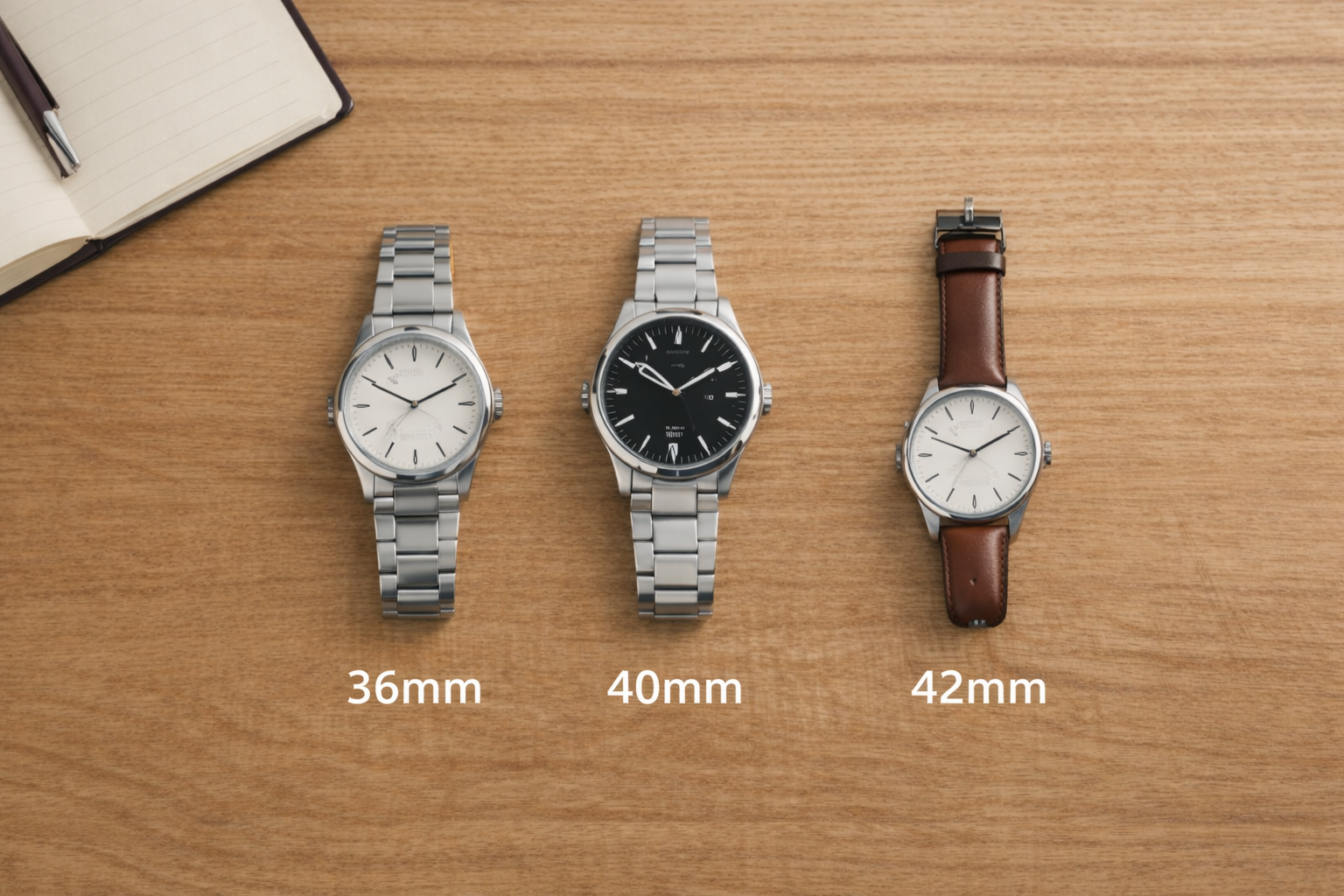
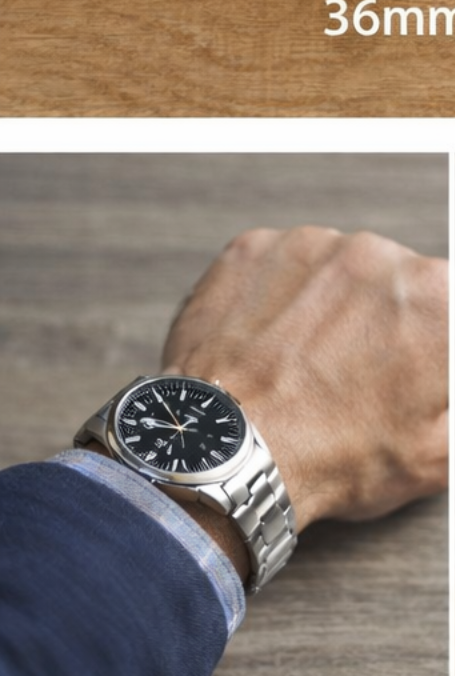
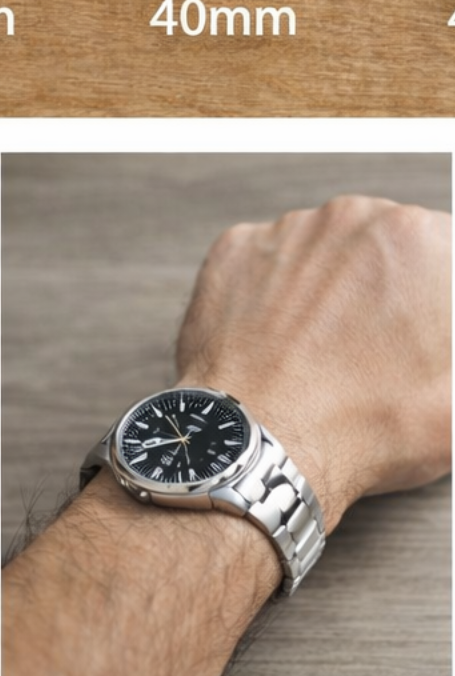
Trends come and go, but choosing a size that matches your wrist will always look better than following fashion alone.
Case Thickness and Lug-to-Lug Explained
Many beginners focus only on case diameter, but two other measurements are just as important.
Case Thickness
A thick watch may feel bulky, especially when worn for long hours or under sleeves. Slimmer cases usually offer better comfort for daily wear.
Lug-to-Lug Distance
Lug-to-lug is the distance from the top lug to the bottom lug of the watch case.
This measurement determines how the watch sits across your wrist.
A watch with a moderate lug-to-lug distance often wears better than a larger case with extended lugs.
Strap vs Bracelet Fit
The strap or bracelet also changes how a watch feels and looks.
-
Leather straps feel lighter and more flexible, making the watch appear slightly smaller
-
Metal bracelets add weight and visual presence
-
Rubber straps are comfortable and practical for active lifestyles
Different watch designs and styles can appear very different on the wrist, even with the same case size.
Choosing the Right Size for Daily Wear
When choosing a watch for everyday use, consider how and when you will wear it.
-
Office and daily wear: moderate size and thickness
-
Casual use: comfort matters more than size trends
-
Occasional formal wear: balanced proportions look more refined
If you are still choosing your first watch, it’s helpful to understand the basics of choosing your first watch before focusing on advanced details.
Final Thoughts
A well-sized watch always looks better than an oversized or uncomfortable one.
Before focusing on materials or movements, take time to understand sizing—it will improve both comfort and confidence.
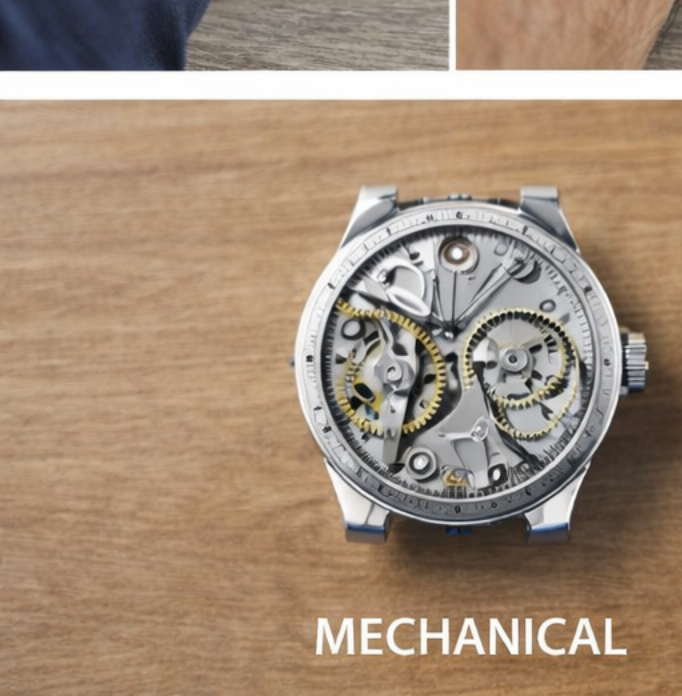
Once size feels right, other choices such as mechanical and quartz watch movements become much easier to decide.
Choosing the right watch size is not about trends—it’s about finding balance, comfort, and long-term wearability.
Watch size is just one part of choosing your first watch, especially for beginners.