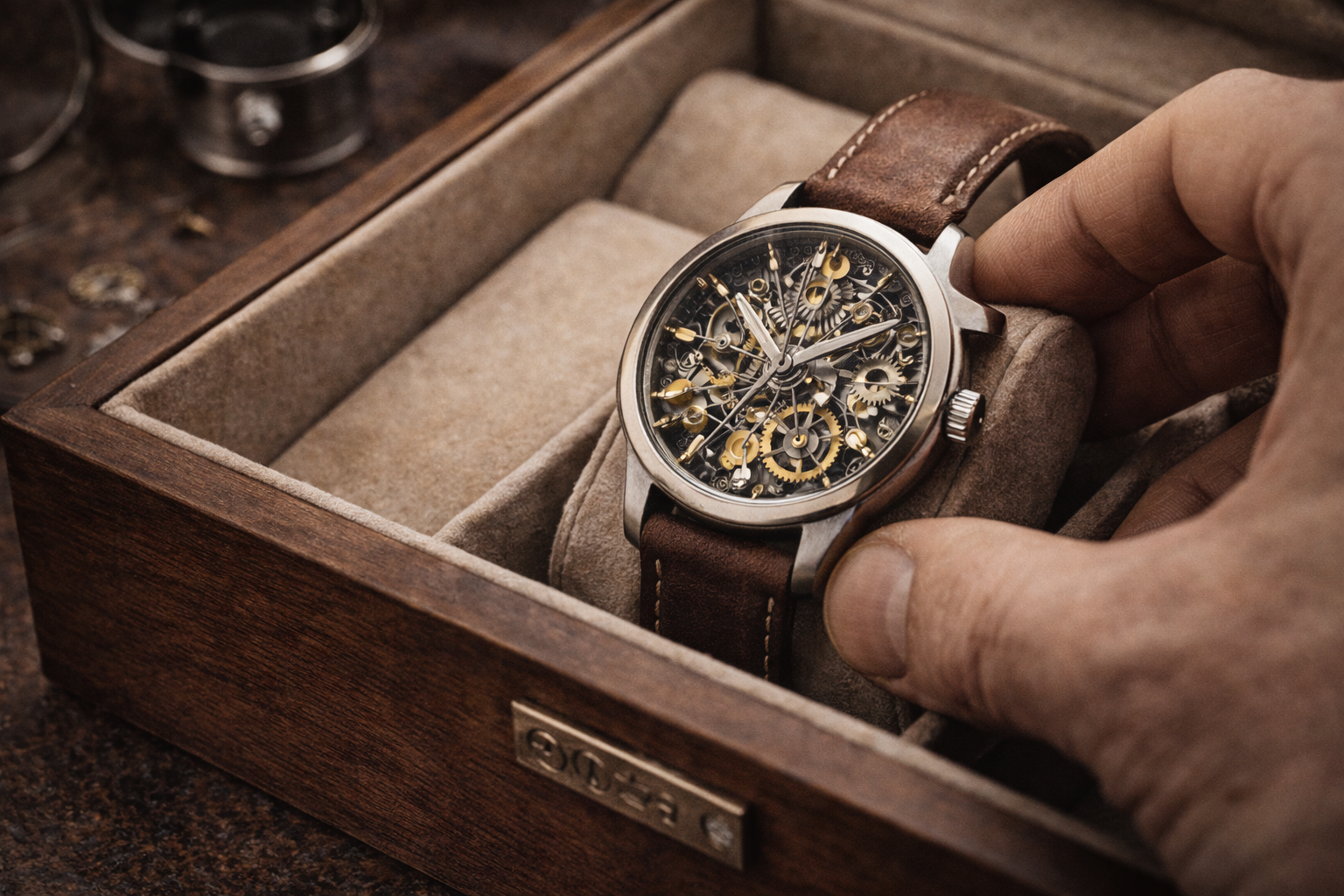
How Long Do Mechanical and Quartz Watches Really Last?
How Long Do Mechanical and Quartz Watches Really Last?
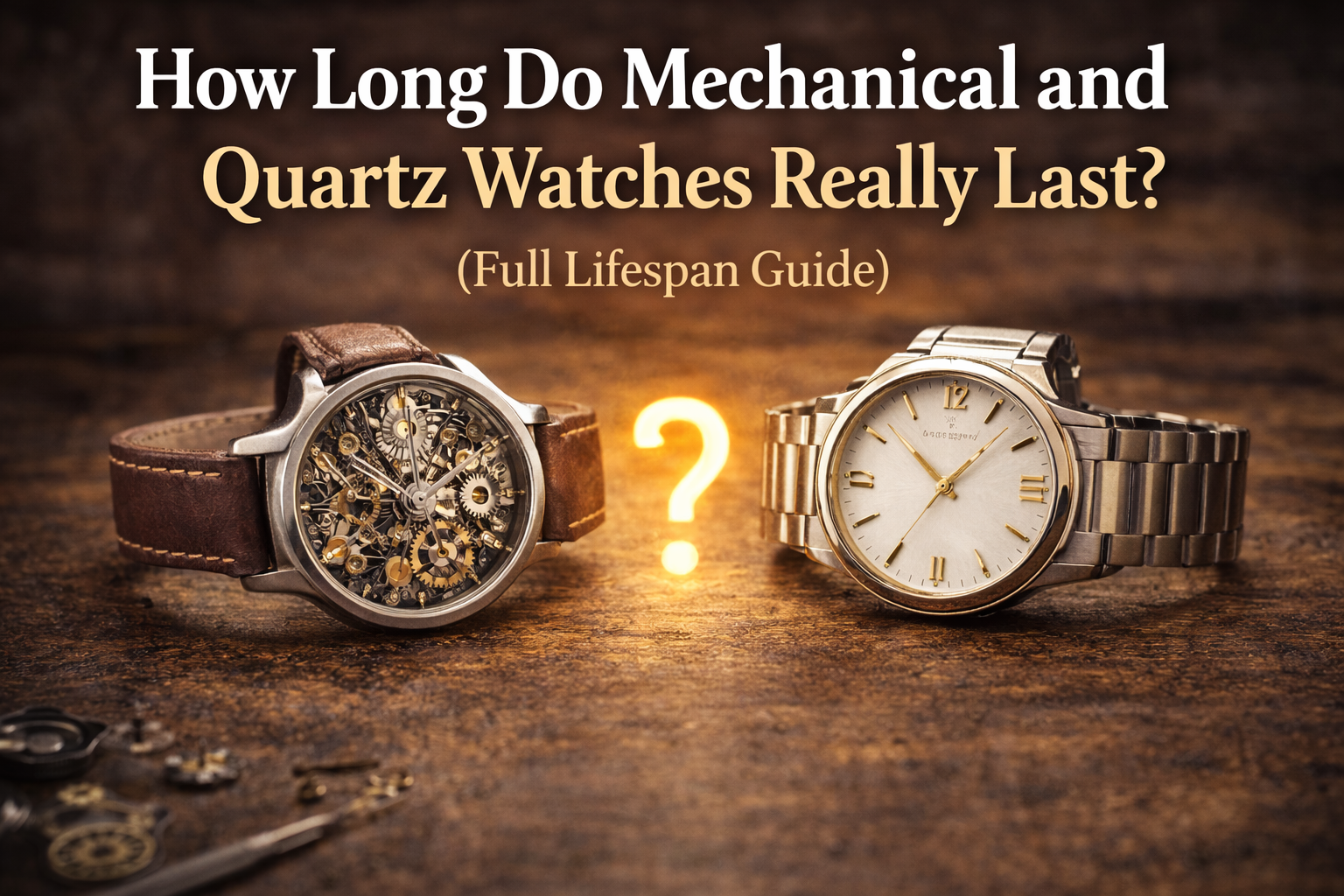
When choosing between mechanical and quartz watches, one common question often comes up:
Which one lasts longer?
The answer isn’t as simple as you might think. Both types can last for many years — but in very different ways.
In this guide, we’ll break down the real lifespan of mechanical vs quartz watches and what determines how long they truly last.
Average Lifespan of a Mechanical Watch
A well-maintained mechanical watch can last:
👉 20–50 years
👉 Sometimes even 100+ years
In fact, many vintage mechanical watches from the 1950s or earlier are still running today.
Why?
Because mechanical watches are made of:
-
Metal gears
-
Springs
-
Repairable components
Every part can be serviced or replaced.
However, they require:
-
Regular servicing (every 3–5 years)
-
Proper care
-
Protection from strong shocks
If you're unsure about service intervals, read our detailed guide on How Often Should You Service Your Automatic Watch? to understand proper maintenance timing.
Average Lifespan of a Quartz Watch
Quartz watches usually last:
👉 10–20 years
👉 Sometimes longer with part replacements
Quartz watches depend on:
-
Electronic circuits
-
Quartz crystal
-
Battery
The movement is less complex mechanically but more dependent on electronics.
Once certain internal electronic parts fail, repairs may be more difficult compared to mechanical watches.
That said:
Quartz watches are:
-
More accurate
-
Less sensitive to shocks
-
Lower maintenance
If you're still deciding between movement types, our comparison guide on Mechanical vs Quartz Watches: A Beginner’s Guide to Choosing the Right Movement explains the key differences in depth.
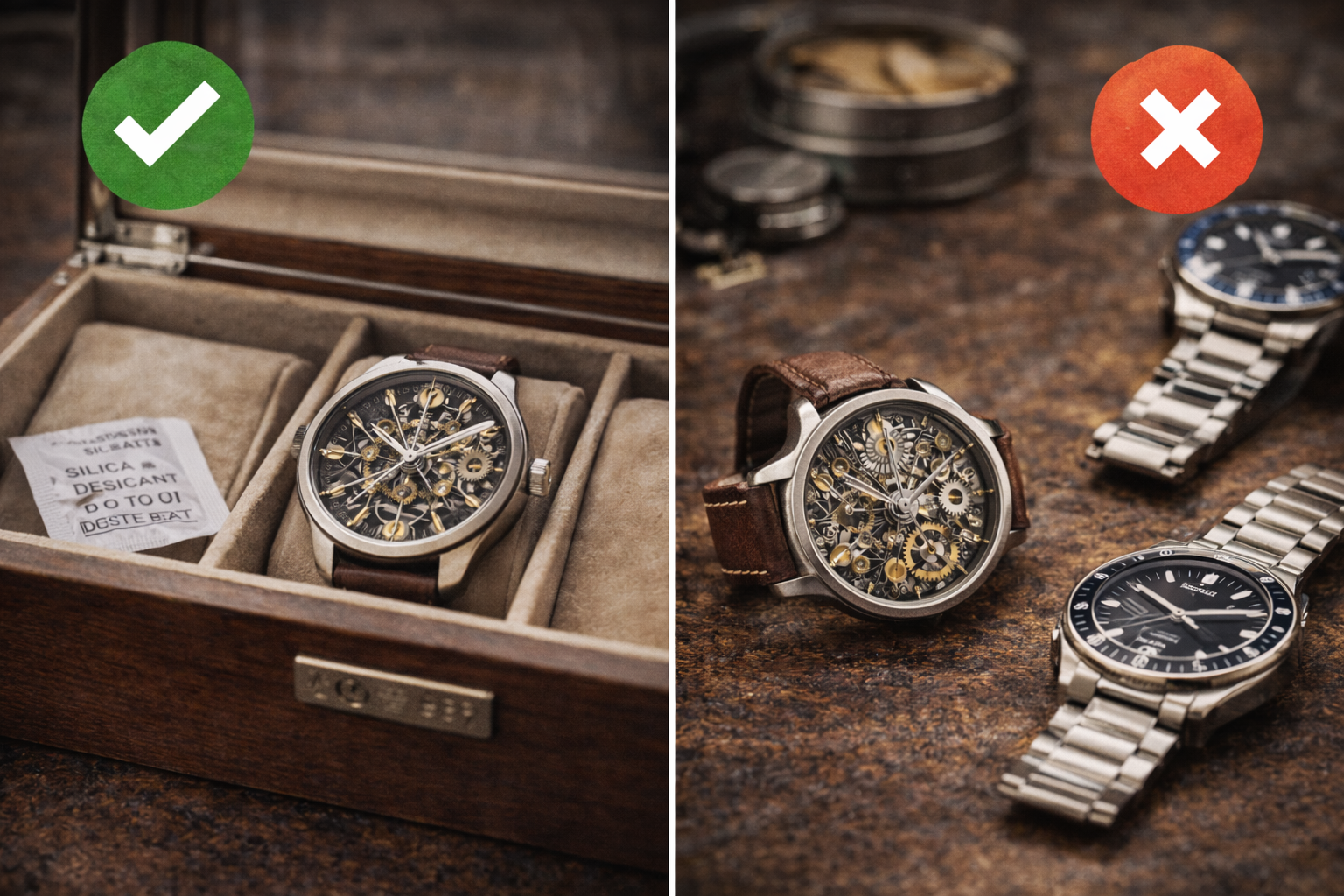
What Actually Determines Watch Longevity?
The type of movement matters — but these factors matter even more:
1️⃣ Maintenance
Regular servicing dramatically extends lifespan.
2️⃣ Build Quality
Higher quality materials last longer:
-
Sapphire crystal
-
Stainless steel cases
-
Quality seals
3️⃣ Water Resistance Care
Poor water maintenance can damage any movement.
Learn how water resistance ratings work in our article Water Resistance in Watches Explained: What You Really Need for Daily Wear.
4️⃣ Usage Habits
Heavy daily shocks and magnetic exposure reduce lifespan.
Mechanical vs Quartz: Which Lasts Longer?
If maintained:
🟢 Mechanical watches have longer theoretical lifespan
🟢 Quartz watches have lower maintenance and consistent performance
So the real question is:
Do you prefer:
-
A long-term serviceable timepiece?
-
Or a practical, low-maintenance option?
Both can last many years — if properly cared for.
Final Thoughts
There is no universal winner.
Mechanical watches can last generations.
Quartz watches offer reliable durability with minimal upkeep.
The best choice depends on:
-
Your lifestyle
-
Your maintenance habits
-
Your expectations
Understanding longevity helps you choose wisely — and keep your watch running for years to come.