
Why Some Replica Watches Start Feeling Too “Busy” After a Few Days of Wear
Why Some Replica Watches Start Feeling Too “Busy” After a Few Days of Wear
Quick Answer
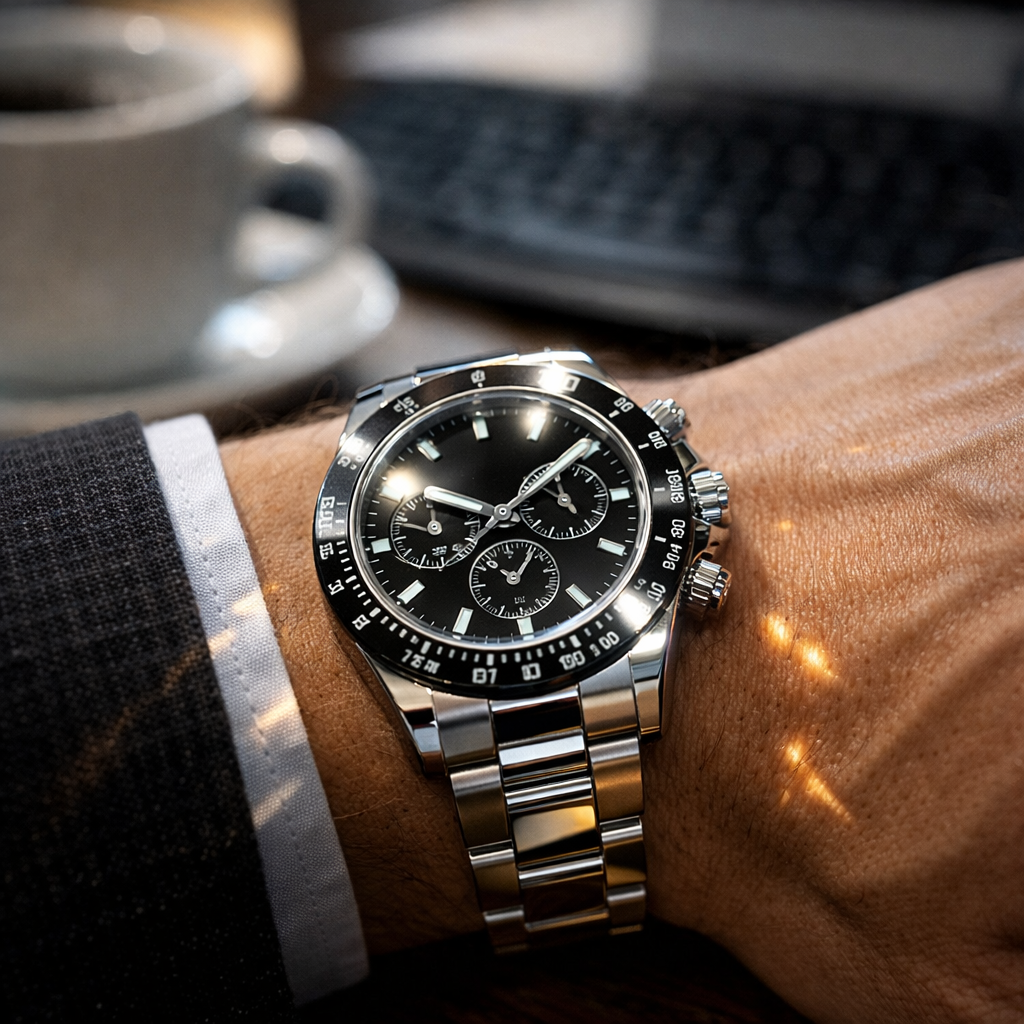
Some replica watches start feeling too “busy” after a few days because the details that looked exciting at first begin competing for your attention in daily use. The problem is usually not that the watch is obviously bad. It is that too many things keep asking to be noticed at the same time: reflections, dial textures, polished surfaces, bracelet shine, bezel presence, or a design that feels a little too loud once the novelty wears off.
A watch that feels good long term usually becomes easier to live with over time. A watch that feels too busy usually does the opposite. It starts by looking impressive, then slowly becomes more distracting than enjoyable.
Why This Happens More Often Than Buyers Expect
A lot of buyers judge a watch too early.
The first hour with a new watch is rarely the most honest part of the experience. When you first put it on, your attention goes to the obvious things:
- the dial color
- the shine
- the bracelet
- the bezel
- how expensive it looks at a glance
- whether it feels exciting
That excitement is real, but it is not the same as long-term wear satisfaction.
Some watches are very good at making a strong first impression. They look detailed, sharp, bright, and full of character. But after a few days, those same qualities can start feeling less refined. What looked interesting in a close-up photo or in a mirror shot may start feeling a little too active in normal life.
That is why some buyers say, “I liked it more on day one than on day four.”
And in many cases, that feeling comes from visual overload rather than an obvious flaw.
This is closely related to What Makes a Replica Watch Feel Less “Right” Even When It Looks Good at First Glance?, but this article goes one step further by focusing on what happens after the watch has already been worn for a few days, not just a few minutes.
“Busy” Does Not Always Mean Overdesigned
This is important.
A watch does not have to be wild or extreme to feel too busy. Sometimes the watch still looks tasteful. It may even look elegant in photos. But in real wear, several smaller details can start stacking on top of each other:
- the dial catches light too aggressively
- the crystal reflections feel too present
- the polished surfaces never really calm down
- the bracelet feels visually louder than expected
- the overall design asks to be noticed too often
That is what makes a watch feel busy.
It is not always one dramatic design mistake. More often, it is a lack of visual rest.
A good daily-wear watch usually has at least one quality that busy watches often lack: it gives your eye a place to settle.
1. Too Much Shine Starts Feeling Less Luxurious Over Time
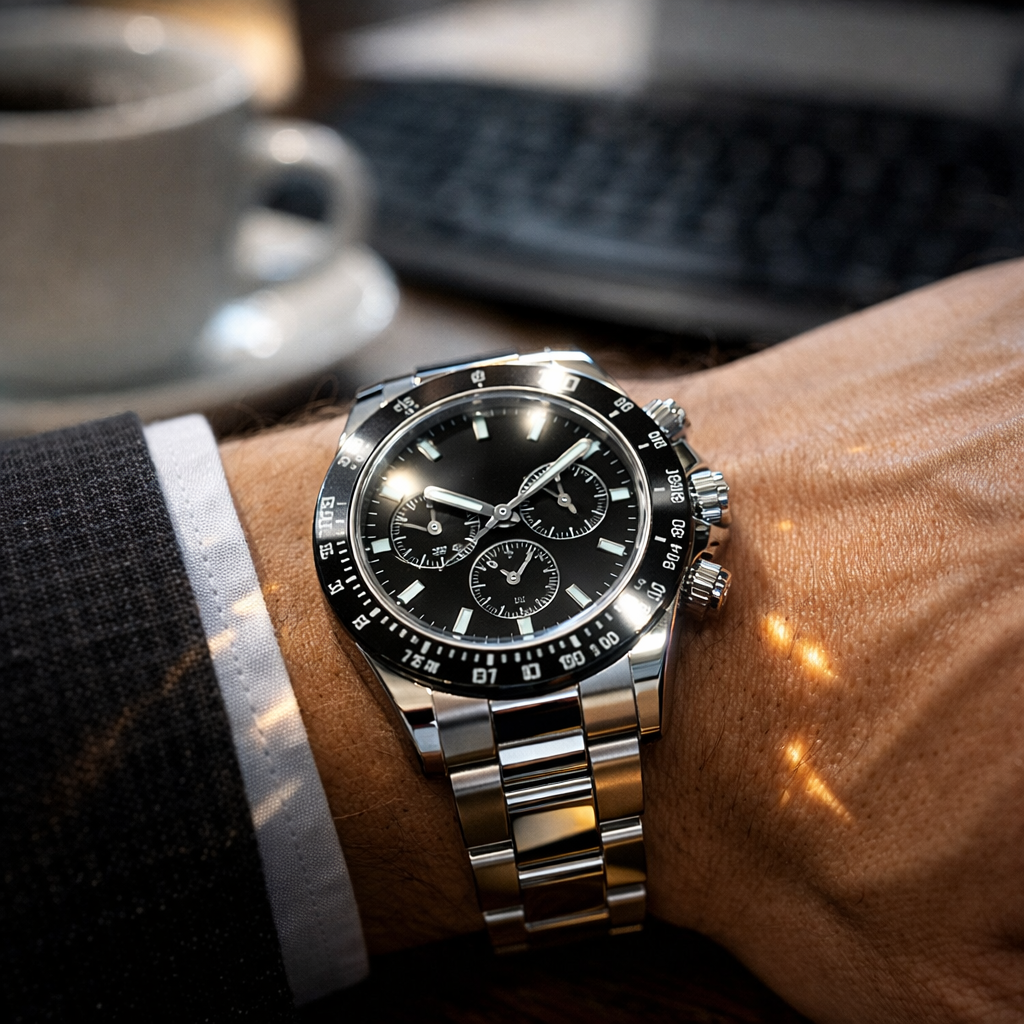
A lot of replica watches make a strong first impression through shine.
At first, this can feel like value. A brighter case, more polished center links, a more reflective bezel, or a more active dial can make the watch seem visually rich. But after a few days, too much shine often stops feeling premium and starts feeling slightly tiring.
This happens because daily life is full of mixed lighting:
- office lights
- window light
- restaurant light
- elevator mirrors
- car interiors
- cloudy daylight
- desk lamp reflections
In these environments, a watch with too much visual activity can feel less composed. It catches your eye too often, but not always in a good way.
That is why some watches feel stronger in product photos than in real life. The photo captures one flattering moment. Daily wear repeats the same visual behavior hundreds of times.
And if the watch never quiets down, it starts feeling busy.
This also connects naturally to Clean vs VS: Which One Looks Better Under Office Lighting and Indoor Conditions?, because indoor light is often where “too much shine” stops looking impressive and starts looking restless.
2. Dial Texture Can Become More Distracting Than Interesting
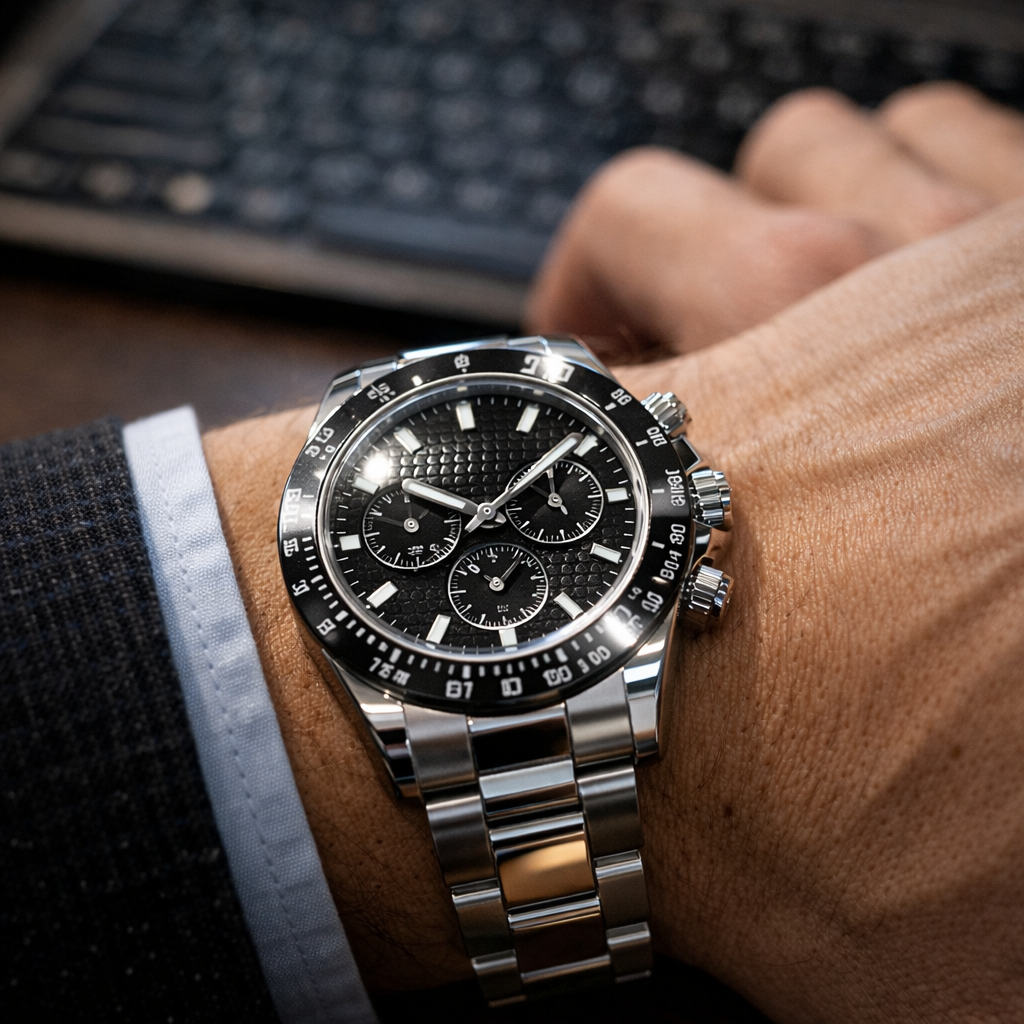
Dial texture is one of the biggest examples of this.
On day one, dial texture often feels like character. It gives the watch depth. It feels more expensive. It looks more detailed in close-up photos. But after repeated wear, some textures stop feeling refined and start feeling like too much information.
You notice this especially when you are not admiring the watch, just using it.
For example:
- checking the time while typing
- glancing at the watch in a meeting
- looking down while walking
- checking it at lunch
- seeing it briefly while adjusting a sleeve
In these situations, the best dials usually feel calm first and interesting second.
The dials that become too busy tend to do the opposite. They stay visually active even when you do not want them to. That can make the watch feel more decorative than wearable.
This is why dial calmness matters so much in real life. A watch does not need to look flat. It just needs to avoid looking visually restless every time you look at it.
If you already care about this distinction, What Makes a Watch Look Premium in Real Life? 8 Details Most Buyers Notice is also relevant, because premium often comes from restraint, not just detail.
3. A Bracelet Can Add More Visual Noise Than Buyers Realize
Bracelets are not only about comfort. They also affect how visually loud the watch feels.
Some bracelets look strong at first because they reflect more light, have more polished surfaces, or feel more “luxury-coded” in photos. But after a few days, that same bracelet can become one of the reasons the watch starts feeling too busy.
This usually happens when:
- the center links reflect too much
- the bracelet never visually settles in indoor light
- the watch head and bracelet both compete for attention
- the bracelet movement adds shine from multiple angles
- the overall effect feels louder than expected during normal wear
This is especially noticeable with desk wear. When your wrist is near a keyboard or resting on a table, the bracelet is seen again and again in short glances. If it keeps flashing, catching light, or feeling visually active, it can slowly change your opinion of the whole watch.
That is why a bracelet can look premium at first and still make a watch feel less wearable later.
This fits closely with Clean vs GM: Which Factory Gets the Bracelet Feel Closer to a Premium Watch?, because bracelet feel and bracelet visual behavior often shape long-term satisfaction more than buyers expect.
4. The Bezel Presence May Be Stronger Than You Actually Want
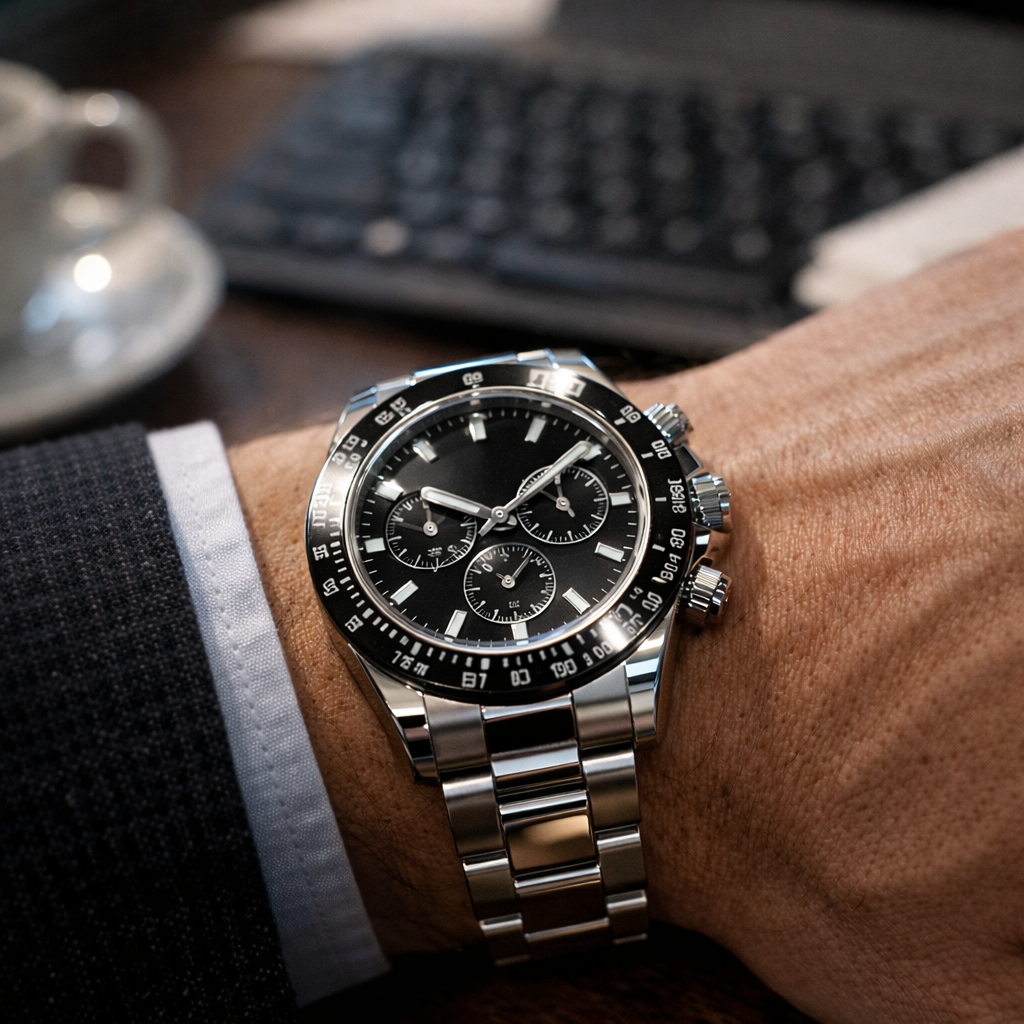
Another reason a watch can start feeling too busy is bezel presence.
A strong bezel can work well at first because it gives the watch definition. It frames the dial. It adds sportiness or sharpness. But after a few days, you may realize the bezel is doing too much of the talking.
This is more likely when:
- the bezel catches light aggressively
- the bezel contrasts too hard with the dial
- the bezel feels too dominant at quick glance distance
- the overall face of the watch feels crowded
- the bezel keeps pulling attention away from the time itself
This is not always a problem on day one because strong bezel presence can feel exciting. But long-term wear is different. After repeated use, many buyers start preferring a watch that feels more integrated and less eager to impress.
That is why some watches are great at first glance but harder to enjoy quietly over time.
5. A Watch That Feels Busy Usually Gives You No Visual Rest
This may be the simplest way to explain it.
A watch starts feeling too busy when your eye never gets to rest.
Good daily-wear watches usually have a rhythm to them. Some parts attract attention, but other parts calm the whole watch back down. The result feels balanced.
Busy watches often do not have that balance. Every element seems to want equal attention:
- shiny bracelet
- active dial
- strong bezel
- bright reflections
- noticeable crystal
- prominent case edges
Individually, none of these may be a dealbreaker.
Together, they can make the watch feel louder every day instead of more natural.
That is a problem, because a watch worn often should usually move in the opposite direction. It should become easier to wear, easier to read, and easier to ignore in the best possible way.
Real-Life Scenario: Monday Excitement, Wednesday Fatigue, Friday Clarity
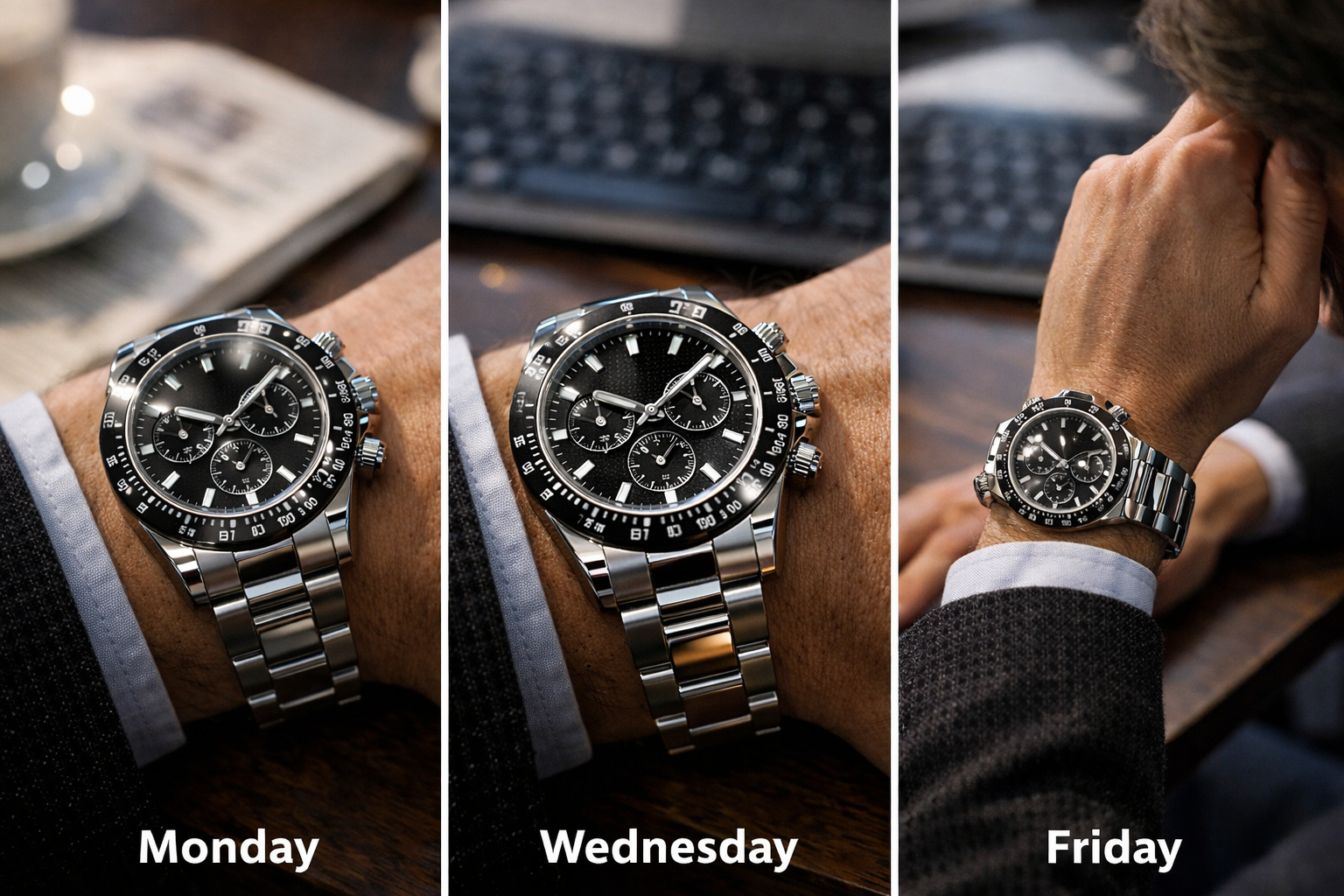
Let’s make this practical.
Monday
The watch is new. You put it on and it feels exciting. The details seem sharp. The dial looks rich. The whole piece has presence. You check it often because you are enjoying it.
Wednesday
Now the novelty is fading. You are no longer studying the watch, just wearing it. This is where small things start becoming more noticeable. Maybe the dial looks busier in office light than you expected. Maybe the bracelet catches more light than you want. Maybe the watch never really calms down visually.
Friday
By now, your opinion is usually clearer. Either the watch has settled into your daily life, or it has started to feel a little too active. That is often the point where buyers realize whether the watch has real long-term appeal or just strong first-impression energy.
This is exactly why short reviews can miss the real answer. Some watches need a few days before their weaknesses become obvious.
What Buyers Think They Want vs What They Actually Enjoy
Before buying, many people think they want:
- more detail
- more shine
- more presence
- more visual excitement
- more “wow” at first glance
After a few days of wear, what they often actually enjoy more is:
- calmer dial behavior
- less distracting reflections
- better balance between watch head and bracelet
- easier readability
- a design that feels composed rather than overactive
That gap between what looks exciting and what feels wearable is where a lot of buying regret begins.
It does not mean the exciting watch is bad. It just means the most stimulating watch is not always the one that feels best on day five.
How to Judge This More Accurately Before Choosing
If you want to avoid buying a watch that starts feeling too busy, ask better questions before choosing.
Ask:
Does the watch still look calm in ordinary indoor light?
This matters more than one outdoor wrist shot.
Does the dial stay readable without feeling too active?
Interesting is good. Busy is not always good.
Does the bracelet add balance, or extra visual noise?
The bracelet should support the watch, not compete with it.
After five or six quick glances, does the watch still feel pleasant?
This is one of the best tests.
Would I still enjoy this watch if it stopped feeling “new” tomorrow?
That question is more honest than many buyers realize.
These questions help you judge long-term wear value rather than short-term excitement.
Who Notices This Problem Most?
You are more likely to notice when a watch feels too busy if:
- you wear the watch every day
- you work indoors
- you check the time often
- you are sensitive to reflections and visual clutter
- you prefer understatement over flash
- you already own watches that feel calmer and easier to live with
You may notice it less if:
- you wear the watch only occasionally
- your priority is mostly visual impact
- you enjoy louder designs
- you use the watch more as a style piece than an all-day piece
That is why two buyers can respond very differently to the same watch. One sees energy. The other sees fatigue.
The Most Common Mistake
The biggest mistake is assuming that more visual interest automatically means more long-term enjoyment.
It does not.
Sometimes more visual interest simply means more things competing for your attention. That can work in a short impression. It often works much less well in daily life.
A watch that stays enjoyable after a few days is usually not the one shouting the loudest. It is the one that keeps enough character without becoming visually tiring.
That difference matters more than most buyers expect.
Final Thought
Some replica watches start feeling too busy after a few days because what looked impressive at first turns into visual effort over time.
Usually, the issue is not one dramatic flaw. It is a group of small things that never fully settle:
- too much shine
- too much dial activity
- too much bracelet presence
- too much bezel dominance
- not enough visual rest
That is why the best long-term watches often feel a little calmer than the most exciting watches at first glance.
They may not win the first 30 seconds as easily.
But they often win the fifth day.
And for a watch you actually plan to wear, that matters more.
FAQ
Why can a watch feel too busy after a few days but not on day one?
Because day one is driven by novelty and first impression. After a few days, repeated use makes reflections, dial activity, bracelet presence, and overall visual balance much easier to judge.
Does “busy” always mean the design is bad?
No. A watch can still be attractive and well made, but feel too active for long-term daily wear.
What part most often makes a watch feel too busy?
For many buyers, it is the combination of dial texture, crystal reflections, bracelet shine, and bezel presence rather than one single detail.
Are busy watches less comfortable physically?
Sometimes the issue is not physical comfort but visual comfort. The watch keeps asking for attention instead of feeling easy to live with.
How can I avoid buying a watch that feels too busy later?
Look at how it behaves in normal indoor light, how often it catches your eye during quick glances, and whether the design feels calm as well as interesting.
What kind of buyer should care most about this?
Anyone who wants a watch for real daily wear rather than only for short-term visual impact should care about this a lot.
