
What Makes a Replica Watch Feel Less “Right” Even When It Looks Good at First Glance?
What Makes a Replica Watch Feel Less “Right” Even When It Looks Good at First Glance?
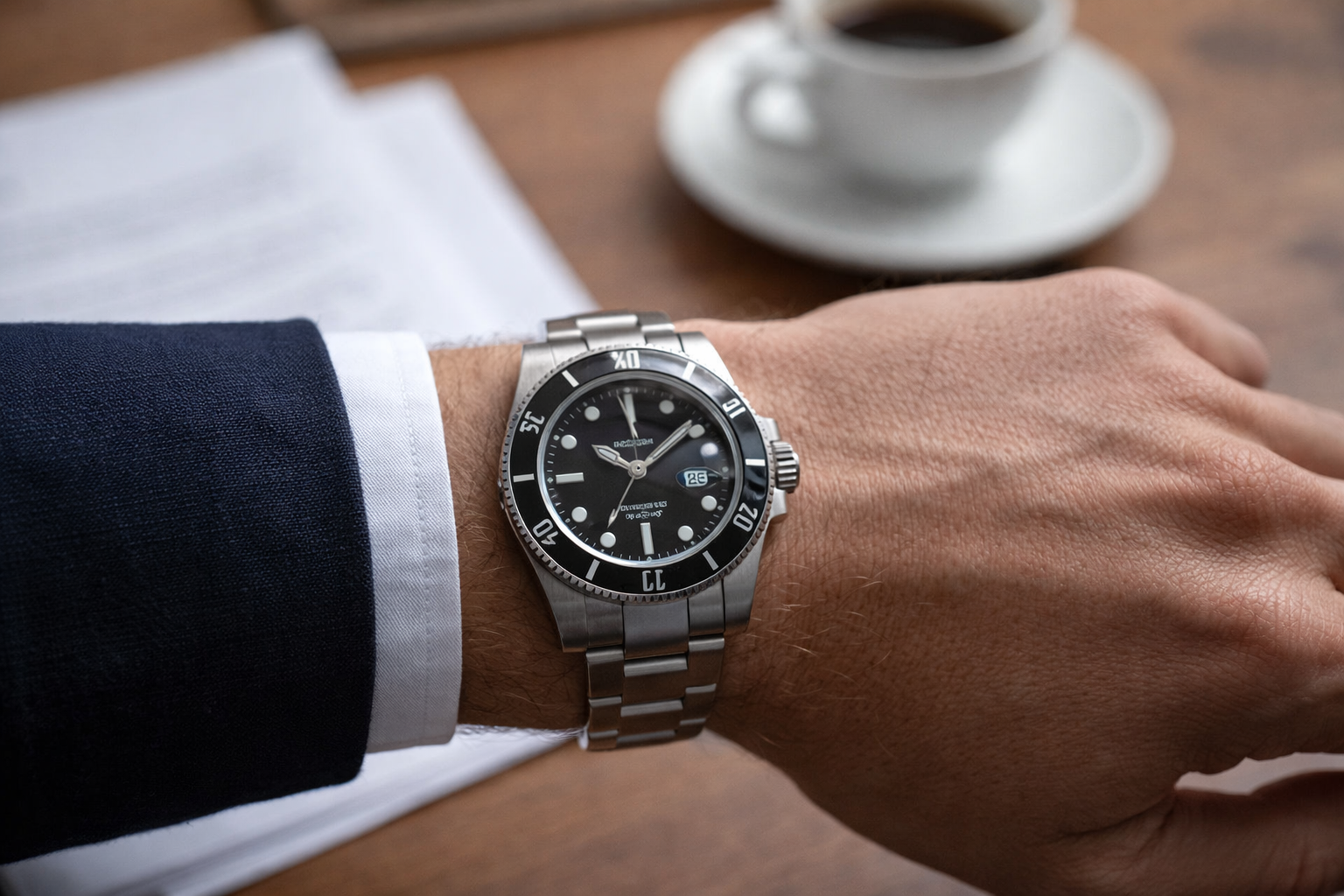
Quick Answer
A replica watch can look good at first glance and still feel less “right” once you actually wear it. In most cases, the problem is not one big flaw. It is usually a group of smaller things that slowly affect the experience: case balance, bracelet movement, dial calmness, crystal behavior, proportions, and how the watch reacts in normal daily settings.
That is why some watches make a strong first impression but become less convincing after a few hours. The design may still look attractive, but the watch no longer feels as natural, as settled, or as complete on the wrist.
Why This Happens More Often Than Buyers Expect
A lot of buyers trust the first impression too much.
That is understandable. The first impression is fast, visual, and easy to remember. You see the dial, the case shape, the bracelet, and the overall style. If the watch looks sharp enough, it is easy to think the difficult part is already solved.
But watches are not judged only by appearance.
They are judged by how they behave once they move from a photo, a mirror shot, or a quick wrist check into normal life. A watch can still look good while feeling slightly off in ways that are hard to explain immediately.
That is exactly why some buyers say things like:
- “It looks nice, but something feels a bit wrong.”
- “The design is good, but it doesn’t wear as well as I expected.”
- “It looks convincing at first, but less so the longer I wear it.”
Those reactions are usually real. And they usually come from refinement issues rather than obvious visual mistakes.
This also connects closely to Why Some Replica Watches Look Fine in Photos but Less Convincing in Real Life, because “feels less right” often begins at the exact point where photos stop helping and real-life wear starts telling the truth.
A Watch Can Look Good Before It Feels Good
This is the part many buyers miss.
A watch can pass the visual test before it passes the wearing test.
At first glance, most people notice broad features first:
- dial color
- case shape
- bezel style
- bracelet style
- overall “luxury” impression
- whether it suits their wardrobe
That is all normal.
But once the watch is worn in real settings, the standard changes. The question is no longer “Does it look good?” It becomes:
- Does it sit naturally?
- Does it feel balanced?
- Does it stay convincing in average light?
- Does it feel calmer or more awkward over time?
- Does it disappear onto the wrist, or keep reminding you something is slightly off?
That second test is where a lot of replica watches begin to separate themselves.
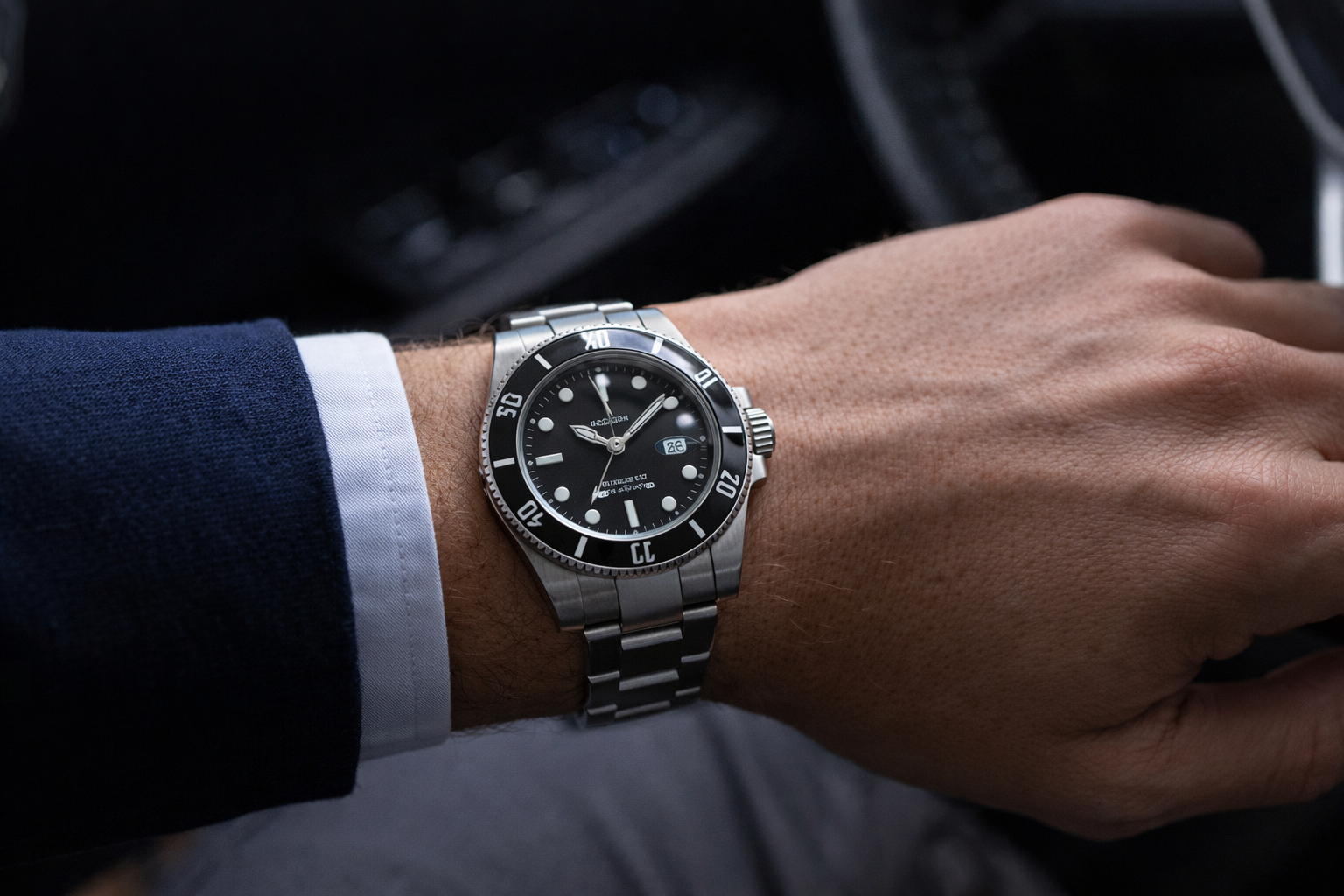
1. Case Balance Can Quietly Ruin the Whole Experience
This is one of the biggest reasons a watch can feel less right.
A watch does not need to be too heavy to feel wrong. It only needs to feel slightly less balanced than expected. That can make the whole experience feel more object-like and less natural.
You usually notice this during ordinary movement:
- typing
- driving
- walking
- adjusting a sleeve
- picking up a coffee cup
- checking the time while standing
A well-balanced watch tends to stay quiet on the wrist. It feels centered. The head and bracelet work together. The watch does not keep rotating or asking for adjustment.
A watch that feels less right often shows one of these signs:
- the watch head feels slightly too dominant
- the bracelet does not counter the case naturally
- the watch shifts more than it should
- the center of gravity feels a little high or awkward
These are not dramatic problems. But they are exactly the kind of problems that weaken long-wear confidence.
This also fits with Why Two Similar Watches Can Feel Completely Different in Daily Wear, because watches that look close visually can feel very different once wrist balance enters the picture.
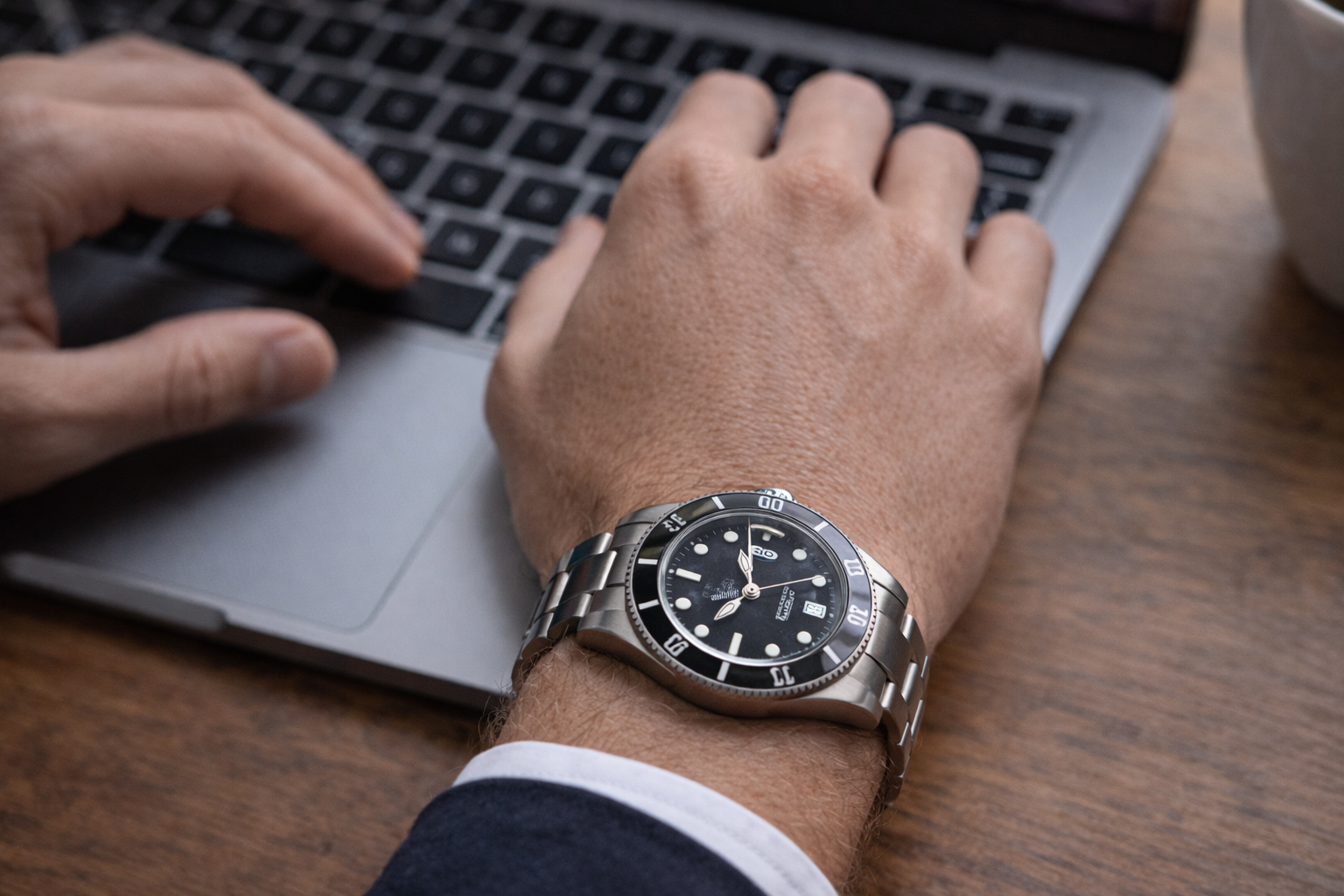
2. The Bracelet Looks Fine, but the Movement Feels Slightly Off
This is another common reason.
A bracelet can look polished, clean, and even premium in photos while still feeling a little wrong in real wear. The issue is often not appearance. It is movement.
A bracelet that feels right usually:
- drapes naturally
- follows the wrist without resistance
- feels smooth when the wrist bends
- settles quickly after motion
- keeps the watch stable without feeling stiff
A bracelet that feels less right often does not fail badly. It just feels a bit less fluid than you want.
You may notice:
- small stiffness near the first links
- a clasp area that stays too noticeable
- less natural articulation during typing or walking
- a bracelet that looks good when still, but feels less convincing in motion
This is exactly why bracelet feel keeps changing your opinion over time. A watch that looked good in the morning may feel less satisfying by late afternoon.
That is also why Clean vs GM: Which Factory Gets the Bracelet Feel Closer to a Premium Watch? is relevant here. Bracelet feel often decides whether a watch keeps feeling premium or slowly starts feeling ordinary.
3. Dial Calmness Matters More Than Buyers Realize
This is one of the least understood parts of watch quality.
A dial can look attractive at first glance and still feel less right later because it does not stay calm enough in normal viewing conditions.
A convincing dial usually has visual stability. It does not depend on one perfect angle. It still feels composed under:
- office lighting
- cloudy outdoor light
- window light
- late-afternoon indoor light
- quick wrist-check distance
A less convincing dial can still be sharp enough in photos, but in real life it may feel:
- flatter than expected
- a bit too reflective
- less deep than it first seemed
- more dependent on the “right” angle
- slightly less coherent with the rest of the watch
This matters because daily life is not lived through close-up still images. It is lived through repeated glances.
And repeated glances are where calmness matters more than dramatic detail.
If you already care about this kind of visual behavior, it also connects naturally to What Makes a Watch Look Premium in Real Life? 8 Details Most Buyers Notice, because premium feel often comes from harmony, not visual noise.
4. The Crystal and Reflections May Feel Too Busy
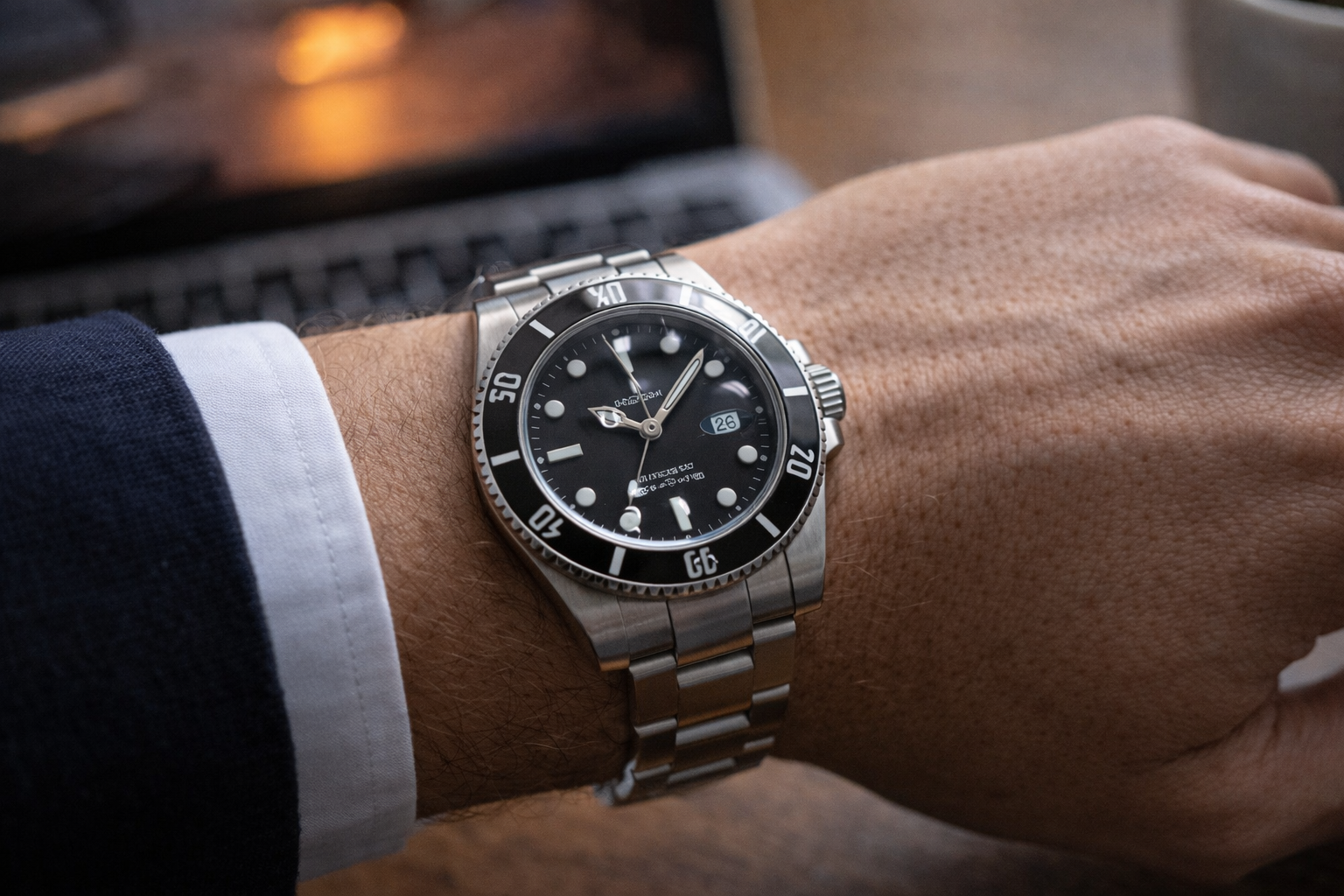
A watch can also feel less right because the crystal never quite disappears.
This is something many buyers only notice after actual use.
In product photos, the crystal is often controlled by perfect lighting. In real life, it has to deal with:
- desk light
- car interiors
- restaurant lighting
- outdoor brightness
- indoor shadows
- quick wrist movement
A crystal that feels right usually works with the dial, not against it. The reflections may still be visible, but they feel integrated. The watch remains easy to read and visually calm.
A crystal that feels less right often creates a more restless impression:
- reflections feel harsher
- the dial disappears too easily at bad angles
- quick time checks feel less smooth
- the crystal keeps drawing your attention
This is rarely dramatic enough to show up in a quick comparison, but it absolutely affects the full-day experience.
5. Proportions Can Be “Almost Right” and Still Feel Wrong
This is a big one.
Many watches that feel slightly off are not obviously oversized, undersized, or badly designed. They are just almost right.
That “almost” matters.
A watch may look fine from the front, but when worn in real life, one of these things starts becoming more noticeable:
- the thickness feels too present
- the bezel-to-dial ratio feels slightly off
- the case side feels more abrupt than expected
- the lugs do not flow as naturally on the wrist
- the whole watch feels a touch less relaxed than it should
You especially notice this in:
- side angles while driving
- shirt-cuff wear
- desk use
- casual conversation distance
- mirror checks during the day
This is also why Does Watch Thickness Matter More Than Case Size? remains such an important related topic. Small proportion issues often affect real-life comfort and presence more than buyers expect.
6. A Watch That Feels Less Right Usually Becomes More Noticeable, Not Less
This may be the simplest test of all.
A good watch often becomes easier to wear the longer you keep it on. It settles into your day. It stops asking for attention. It becomes part of your routine.
A watch that feels less right often does the opposite.
The longer you wear it, the more you notice:
- the bracelet
- the balance
- the reflections
- the case edges
- the proportion issues
- the sense that something never fully settles
That is a very strong sign.
A watch does not need to become uncomfortable to become less convincing. It only needs to remain slightly too noticeable in the wrong ways.
That is usually enough to change your opinion.
Real-Life Scenario: Morning, Office Hours, and Evening
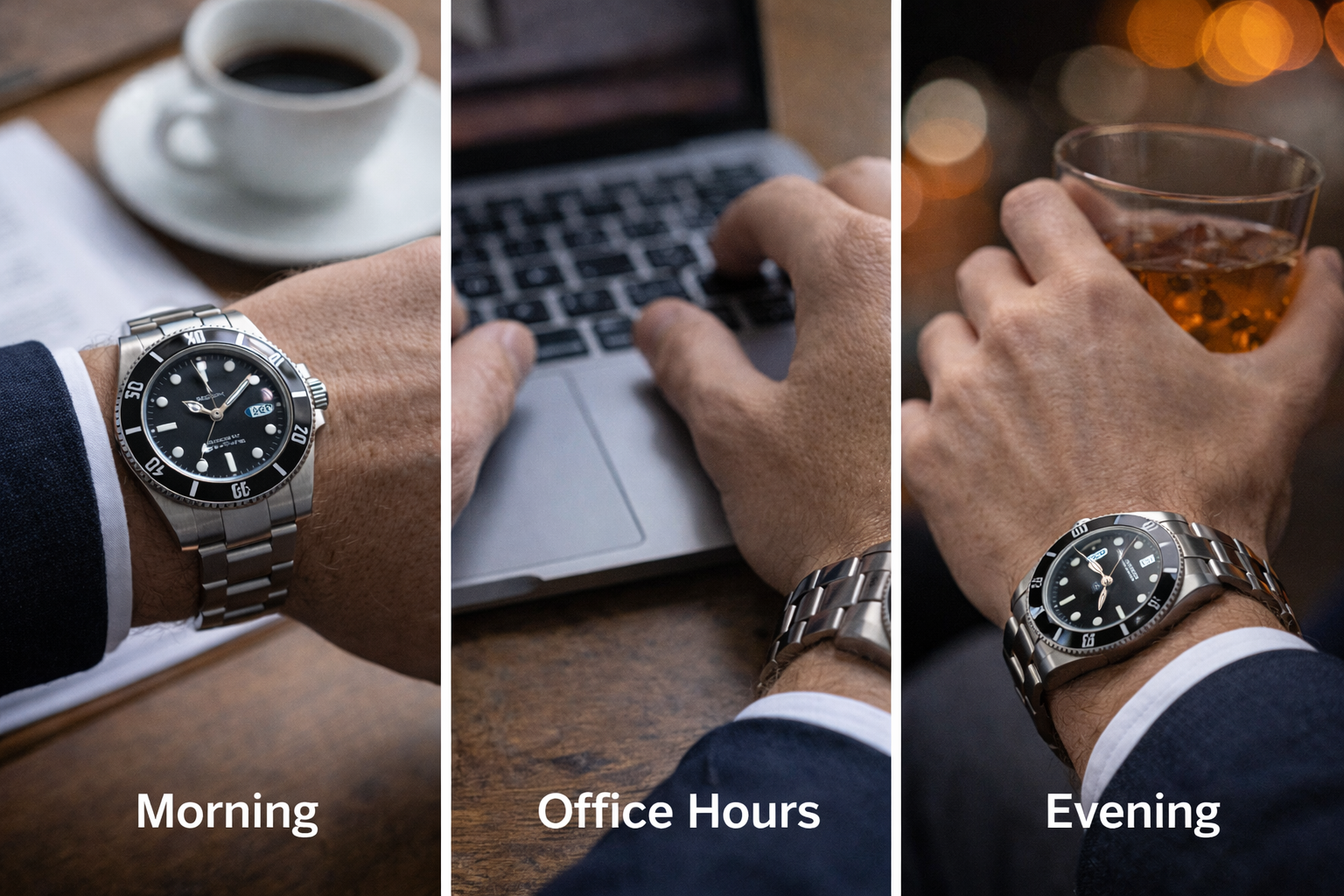
Let’s put this into a normal day.
Morning
At first glance, the watch still looks strong. You put it on, check it in the mirror, and the design feels good enough. Confidence is high.
Office hours
Now the real test begins. Under indoor lighting, with repeated wrist checks, desk contact, and constant small movements, the watch either settles in or starts feeling a little more awkward. This is where bracelet movement, dial calmness, and crystal behavior become much more important.
Commute or movement outside
As lighting changes and the wrist moves more naturally, balance and case proportions become more obvious. A watch that seemed impressive in stillness may start feeling slightly less composed.
Evening or social setting
Now the watch is not being studied. It is simply being seen in normal life. If it still feels convincing here, that usually means the watch is holding together well. If it starts feeling slightly too sharp, too flat, or too busy, that impression becomes hard to unfeel.
That is often where buyers realize the first impression was only part of the story.
What Buyers Think Feels “Wrong” — and What Usually Actually Is
Before real wear, many buyers expect the obvious flaws to be the problem:
- logo shape
- text printing
- marker alignment
- bezel font
- date magnification
Those things can matter.
But after actual wear, the things that usually make a watch feel less right are often broader:
- balance
- bracelet behavior
- dial calmness
- crystal reflections
- case proportions
- overall harmony
That is why buyers often struggle to describe the problem clearly. They keep searching for one visible flaw, but the real issue is usually a group of smaller quality signals that do not work together as smoothly as they should.
How to Judge This More Accurately Before Choosing
If you want to judge whether a watch will feel less right over time, ask better questions than “Does it look good?”
Ask:
Does the watch stay balanced during normal movement?
Not just when your arm is still.
Does the bracelet feel more natural after an hour, or more noticeable?
That tells you a lot.
Does the dial remain calm in indoor light?
Not just daylight or product photography.
Does the crystal work with the watch, or keep drawing attention?
A busy crystal often weakens the whole impression.
Does the watch become easier to live with as the day goes on?
This may be the single best test.
These questions are better because they follow actual ownership, not just visual reaction.
Who Notices This Difference Most?
You are more likely to notice when a watch feels less right if:
- you wear watches for long days
- you care about how a watch sits, not just how it looks
- you work indoors under artificial light
- you check the time often
- you are sensitive to bracelet feel
- you have worn better-balanced watches before
You may notice it less if:
- you wear the watch only occasionally
- your priority is mostly overall style
- you judge more by distance than by close use
- you are less sensitive to tactile refinement
That is why two buyers can look at the same watch and come away with different conclusions.
The Most Common Mistake
The biggest mistake is assuming that if a watch looks right, it will also feel right.
That is not always true.
Looking right is often only the first test. Feeling right is the harder test, because it includes motion, light, comfort, balance, and repeated real-life use.
A lot of buyers only realize this after they have already spent time with the watch.
That is why it is smarter to evaluate watches as lived objects, not just visual ones.
Final Thought
A replica watch can look good at first glance and still feel less right once the day becomes ordinary.
That usually happens because the watch is not failing in one dramatic way. It is failing in several quiet ones:
- the balance is a bit off
- the bracelet is less natural than expected
- the dial feels less calm
- the crystal feels busier
- the proportions are only almost right
- the watch never fully settles on the wrist
These are small differences.
But small differences are exactly what long-term wear makes easier to feel.
And that is why some watches impress quickly, yet become less convincing the longer you actually live with them.
FAQ
Why can a replica watch look good at first but feel less convincing later?
Because first impressions are mostly visual. Long wear reveals balance, bracelet movement, dial calmness, crystal behavior, and real-life proportions.
Is the problem usually one obvious flaw?
No. In most cases, it is a combination of smaller issues that slowly affect the experience.
What part makes a watch feel less right most often?
For many buyers, it is either bracelet movement, wrist balance, or the overall sense that the watch never fully settles.
Do reflections really change how convincing a watch feels?
Yes. Crystal behavior and dial visibility under normal light can have a big effect on whether the watch feels calm or slightly busy.
Can proportions be wrong even if the watch does not look obviously oversized?
Yes. Many watches feel slightly off because the proportions are only “almost right,” especially in side view and daily wrist movement.
What is the best way to judge whether a watch will feel right in real life?
Pay attention to balance, bracelet behavior, dial calmness, crystal reflections, and whether the watch becomes easier or harder to wear after a few hours.
