
Are Simple Watch Designs More Versatile? What Works Best in Real Life
Are Simple Watch Designs More Versatile? What Works Best in Real Life

Quick Answer
Yes, simple watch designs are usually more versatile because they are easier to pair with different outfits, occasions, and daily routines. Clean dials, balanced case shapes, and restrained details tend to work better in both casual and smarter settings. But true versatility is not just about simplicity. It also depends on size, color, comfort, and how naturally the watch fits your real lifestyle.
Introduction
A lot of buyers are drawn to watches with stronger visual impact.
Bold bezels, busy dials, unusual colors, or more aggressive styling can look exciting in photos. They stand out quickly and often feel more memorable at first glance. But once the first impression fades, many people start asking a more practical question:
Will this still feel easy to wear every day?
That is where simple watch design becomes so important.
A cleaner watch often works with more outfits, feels less tiring over time, and stays easier to wear in different settings. But simplicity is not always the same as versatility. A watch can look simple and still feel too dressy, too plain, or not especially practical in daily life.
That is why the real question is not whether minimal watches look nice. It is whether they actually work better in real life.
If you are still learning what makes a watch useful from day to day, it also helps to read How to Choose the Right Watch for Everyday Wear before going deeper into design versatility.
A Real-Life Situation Many Buyers Recognize
Imagine someone choosing between two watches at the same price.
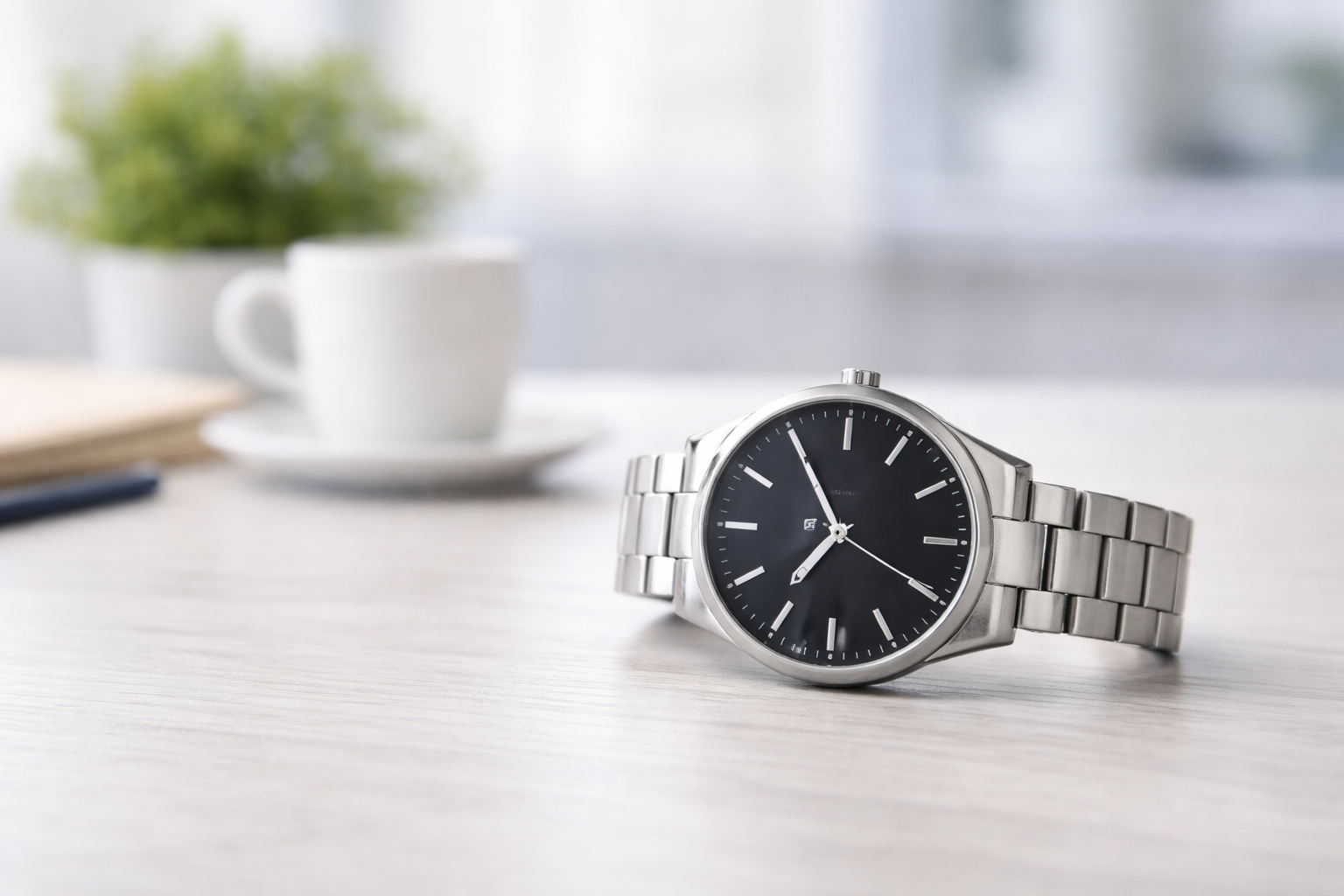
One has a clean black dial, simple markers, and a brushed steel bracelet. The other has a rotating bezel, more text on the dial, stronger contrast, and a more obviously sporty look.
At first, the second watch feels more exciting. It has more personality in product photos and stands out faster. But after a few weeks, the first watch starts getting more wrist time.
Why?
Because it works at the office, on weekends, with a jacket, with a T-shirt, and even at dinner without ever feeling too specific. The sportier watch still looks good, but it feels more limited.
That is the real advantage of a simpler design. It often fits into real life more easily.
1. Simple Designs Usually Match More Outfits
The biggest reason simple watches feel more versatile is clothing compatibility.
A cleaner watch design tends to work with more colors, more fabrics, and more levels of formality. It does not fight with the rest of your outfit, and that makes daily styling easier.
Real-life example
A buyer wears the same clean steel watch with office shirts during the week, knitwear on weekends, and a blazer for dinner. Because the watch design is restrained, it never feels out of place.
That kind of flexibility is hard to overvalue in an everyday piece.
What to check
- Does the watch work with both casual and smarter clothes?
- Does it look balanced instead of attention-seeking?
- Would you still wear it with most of your weekly outfits?
This idea connects naturally to How to Match a Watch with Different Outfits and Occasions if that article is already live on your site.
2. Clean Dials Usually Feel Easier to Live With Over Time
A watch can look interesting at first and still feel visually tiring after a while.
Simple dials usually age better in daily wear because they are easier to read, easier to style, and less likely to feel overly specific. The more visual noise a dial has, the more likely it is to feel tied to one mood or one type of outfit.
Real-life example
A buyer loves a dial with multiple textures, bright accents, and several lines of text when first browsing online. A month later, the watch still looks impressive, but it no longer feels as easy to wear as a cleaner, quieter design.
This does not mean detail is bad. It just means simplicity often wears better across time.
What to check
- Is the dial easy to read quickly?
- Does it feel calm rather than busy?
- Can you imagine liking the look after months of regular wear?
If visual balance matters to you, this topic also pairs well with What Makes a Watch Look Expensive? 9 Details Most People Notice.
3. Neutral Colors Usually Make Simpler Watches Even More Versatile
Simplicity works best when the colors support it.
Black, dark blue, silver, white, charcoal, and other restrained tones usually make a watch easier to wear across more situations. A simple design in a loud color can still feel limiting, while a balanced design in a neutral tone often becomes far more useful.
Real-life example
Two watches have almost the same clean case and dial layout, but one uses a bright orange accent while the other stays black and steel. The second watch ends up getting much more real-world use because it feels easier to pair with almost anything.
That is why versatility is often built from both form and color.
What to check
- Does the color support daily wear?
- Does the watch feel easy to style with most of your wardrobe?
- Would the same design feel less versatile in a louder color?
This section can naturally link to Do Dark Dial Watches Look Smaller? How Color Changes Wrist Presence because color changes both versatility and visual presence.
4. Simpler Watches Often Work Better Across Formal and Casual Settings
One of the most practical benefits of a simple watch is that it can move between settings more easily.
A watch with a clean dial, moderate size, and controlled design can often handle office wear, travel, relaxed weekends, and semi-formal settings better than a more specialized design.
Real-life example
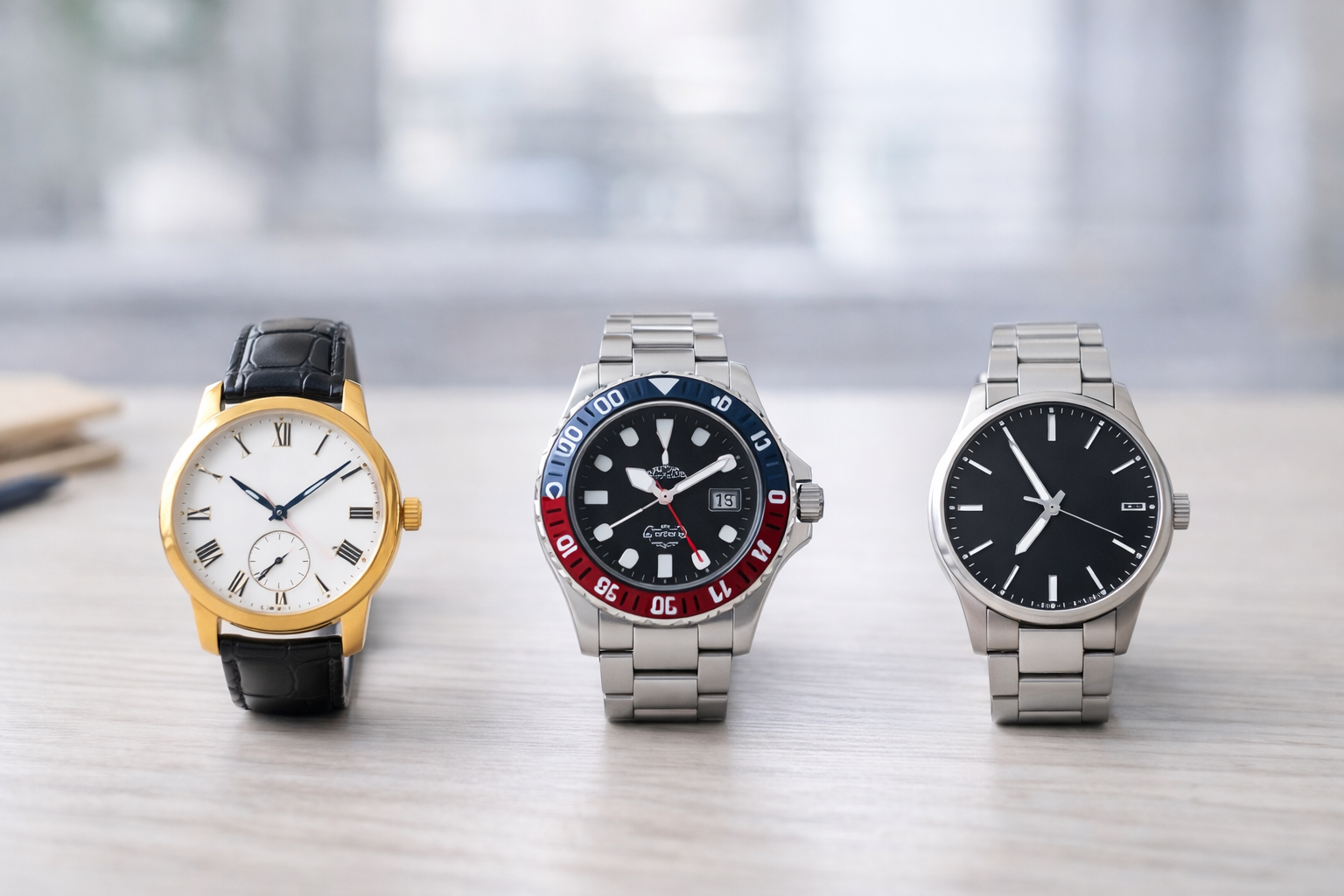
Someone wears a clean three-hand watch to work all week, keeps it on for errands and weekends, and still feels comfortable wearing it to a dinner out. A more specialized dive watch or racing-style watch may look better in one context, but not necessarily all of them.
This is where simpler design becomes genuinely practical.
What to check
- Could you wear it to work and on weekends?
- Does it still feel appropriate with a jacket or collared shirt?
- Is it understated enough for smarter settings but not too formal for relaxed ones?
This also pairs naturally with How to Choose the Right Watch for Formal Occasions if you want to help readers understand where versatility begins to change.
5. Simplicity Does Not Mean Boring if the Proportions Are Right
Some buyers worry that simpler watches will feel too plain.
That can happen, but usually only when the watch lacks balance or character in the right places. A simple watch can still feel strong if the case proportions are right, the finishing is clean, and the dial has enough depth or texture to stay interesting without becoming busy.
Real-life example
A buyer chooses a watch with a dark sunburst dial, simple baton markers, and a clean steel bracelet. On paper, it sounds basic. In real life, it feels refined and quietly attractive because the proportions and finishing carry the design.
That is often what good simple design does best: it gives you enough character without losing versatility.
What to check
- Does the watch feel refined rather than empty?
- Are the case and dial proportions balanced?
- Is there enough subtle character to keep it interesting?
If perceived quality matters here, this also connects well with What Makes a High-Quality Watch? 7 Key Factors to Consider.
6. Bold Designs Can Still Make Sense if Your Lifestyle Is Specific
Simple does not automatically mean better for everyone.
If your wardrobe is consistently sporty, your environment is casual, or you enjoy stronger design identity, a more expressive watch may actually make more sense. A bold design only becomes less versatile when it clashes with too many parts of your normal week.
Real-life example
Someone who mostly wears casual jackets, sneakers, and weekend clothing may genuinely get more use from a stronger sport watch than from a minimalist dress-leaning watch. In that case, the “less versatile” design is actually the better fit.
This is why versatility always depends on real life, not abstract rules.
What to check
- Does your lifestyle lean more sporty or more mixed?
- Would a more expressive design still fit most of your week?
- Are you buying for your real routine or an imagined one?
This idea pairs naturally with One Watch or Several? Which Choice Makes More Sense for Everyday Life because some buyers solve versatility by rotating watches instead of forcing one style to do everything.
7. The Most Versatile Watch Is Usually the One You Stop Thinking About

This is the biggest real-life test of all.
A versatile watch is usually not the one that impresses you most for five minutes. It is the one that keeps working without effort. You do not have to think too hard about what to wear it with, when to leave it at home, or whether it feels too much for the day.
Real-life example
A buyer owns several watches but notices one clean steel model keeps getting chosen again and again. Not because it is the flashiest, but because it always feels appropriate and easy. That is usually the strongest sign of real versatility.
The best everyday watch often becomes the watch you reach for without hesitation.
What to check
- Would you wear it without overthinking your outfit?
- Does it feel easy across most of your week?
- Is it quietly dependable instead of visually exhausting?
This also fits well with One Watch or Several? Which Choice Makes More Sense for Everyday Life if you want to connect design versatility with real ownership patterns.
What Buyers Often Get Wrong
Many buyers assume:
- a more detailed watch is automatically more interesting
- simple design means less personality
- versatility only depends on case size or price
But in real use, versatility often comes from restraint.
A watch does not need to be plain to be useful. It just needs to avoid locking itself into one narrow style.
That is the mistake many people make. They buy a watch for the first impression instead of for the hundredth wear.
Who Benefits Most From Simpler Watch Designs?
Simple watch designs usually make the most sense for people who:
- want one reliable everyday watch
- wear mixed outfits during the week
- prefer lower decision fatigue
- value long-term wearability over immediate impact
- want a watch that works in both office and casual settings
For these buyers, a cleaner design often ends up being the smarter choice.
Final Thoughts
So, are simple watch designs more versatile?
In most cases, yes.
Simple designs usually work better because they pair with more clothes, feel easier across more settings, and stay more wearable over time. But simplicity only becomes true versatility when the rest of the watch also makes sense: the size, the color, the proportions, and the comfort all have to support daily use.
That is why the best versatile watch is rarely the loudest one. It is usually the one that feels balanced enough to work almost everywhere.
In the end, what works best in real life is not the design that gets the fastest reaction. It is the design that keeps fitting your life long after the first impression fades.
FAQ
1. Are minimalist watches more versatile?
Usually, yes. Minimalist watches often feel easier to wear with different outfits and in different settings because they look cleaner and less specific.
2. Do simple watch designs work better for everyday wear?
In many cases they do, especially if you want one watch that can move between casual, office, and smarter situations.
3. Can a simple watch still look interesting?
Yes. A simple watch can still feel refined and attractive when the proportions, finishing, and dial details are well balanced.
4. Are bold watch designs less versatile?
Often, yes. Bold designs can still be great, but they usually feel more tied to certain outfits, moods, or situations.
5. What colors make a watch feel more versatile?
Black, silver, white, dark blue, and charcoal usually feel the most versatile because they work with more clothing and look more balanced in daily wear.
6. Is a simple watch better for beginners?
For many beginners, yes. Simple watches are often easier to style, easier to understand, and safer as a first all-round choice.
7. What is the biggest mistake buyers make here?
A common mistake is choosing based on first visual impact instead of long-term wearability. A watch that looks exciting at first may not always feel easy to wear every day.
