
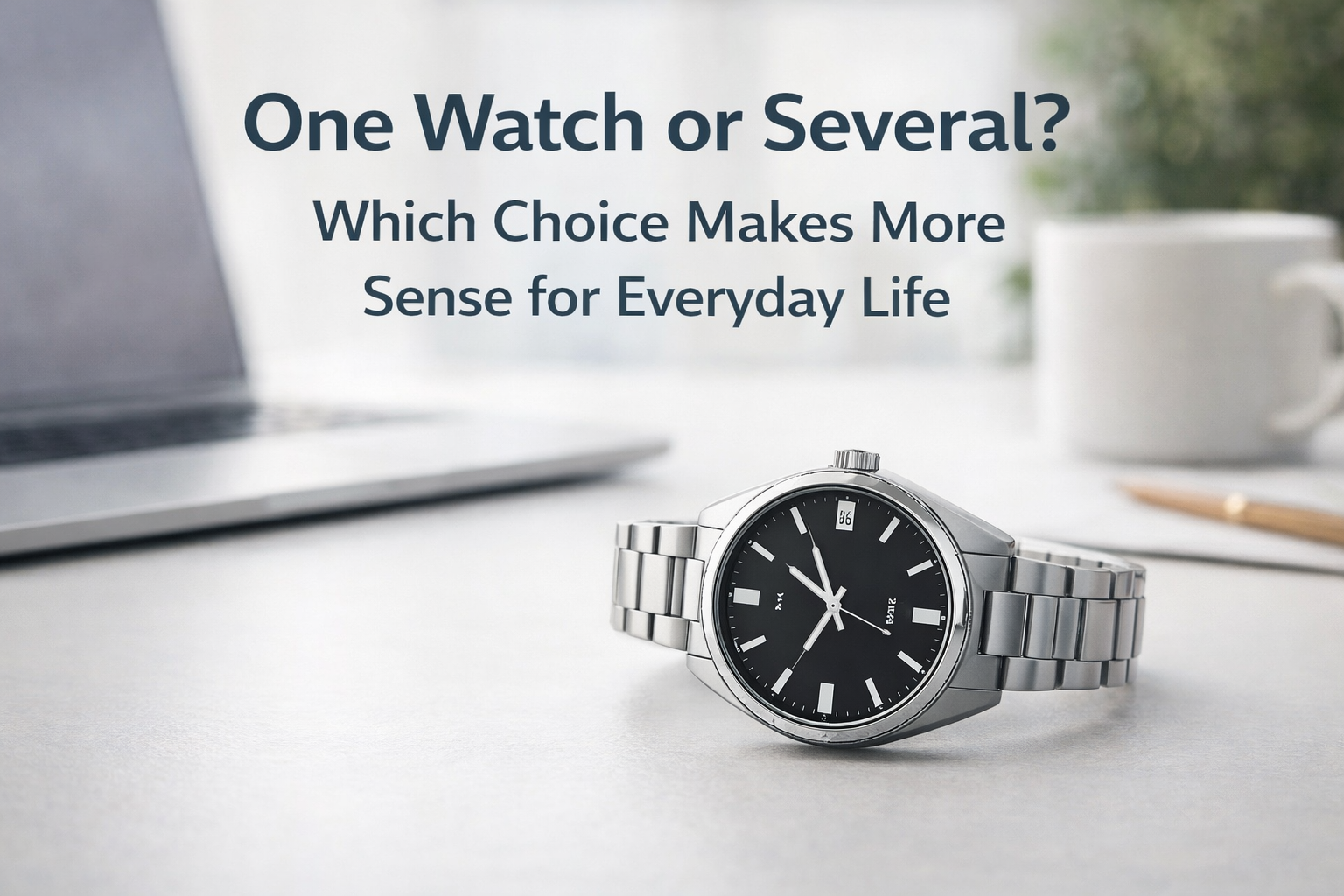
One Watch or Several? Which Choice Makes More Sense for Everyday Life
One Watch or Several? Which Choice Makes More Sense for Everyday Life
Quick Answer
For most people, one good versatile watch makes more sense at the beginning because it is simpler, easier to wear every day, and easier to maintain. But if your lifestyle includes different outfits, different occasions, or changing comfort preferences, owning several watches can make daily wear more practical and enjoyable. The best choice depends on whether you value simplicity more or flexibility more.
Introduction
A lot of watch buyers assume the answer is obvious.
If one good watch can do everything, why buy more? On the other hand, if watches are part of your style and daily routine, why limit yourself to just one?
In real life, both choices can make sense.
Some people wear the same watch almost every day for work, weekends, dinners, and travel. They want something reliable, comfortable, and versatile enough to fit almost every situation. Others quickly realize that one watch cannot always do everything well. A watch that feels perfect for the office may not feel ideal for weekends, hot weather, formal occasions, or more active days.
That is why this decision matters more than it seems.
It is not just about collecting watches. It is about how you actually live, dress, move, and use your watch in everyday life. If you are still learning what makes a watch practical for daily use, it also helps to read How to Choose the Right Watch for Everyday Wear before deciding whether one watch is enough.
A Real-Life Situation Many Buyers Recognize
Imagine someone buying their first serious everyday watch.
At first, they want one piece that can do everything. It should look good at work, feel comfortable on weekends, match most outfits, and still feel right for dinners or travel. That sounds simple enough.
But after a few months, small limitations start to appear.
The watch may feel perfect with office clothes but a little too formal for relaxed weekend wear. Or it may look great on a bracelet during cooler months but feel less comfortable in hot weather. Another buyer may have the opposite experience: they buy one clean, versatile watch and realize they do not need anything else because it works in almost every situation.
That is exactly why the answer depends on real life, not just theory.
1. One Good Watch Is Often the Smartest Starting Point
For most people, one watch is the most practical place to begin.
It keeps things simple. You wear the same watch often enough to really understand what you like, what feels comfortable, and what matters most in daily life. It also helps you avoid buying extra watches before you know your own preferences.
Real-life example
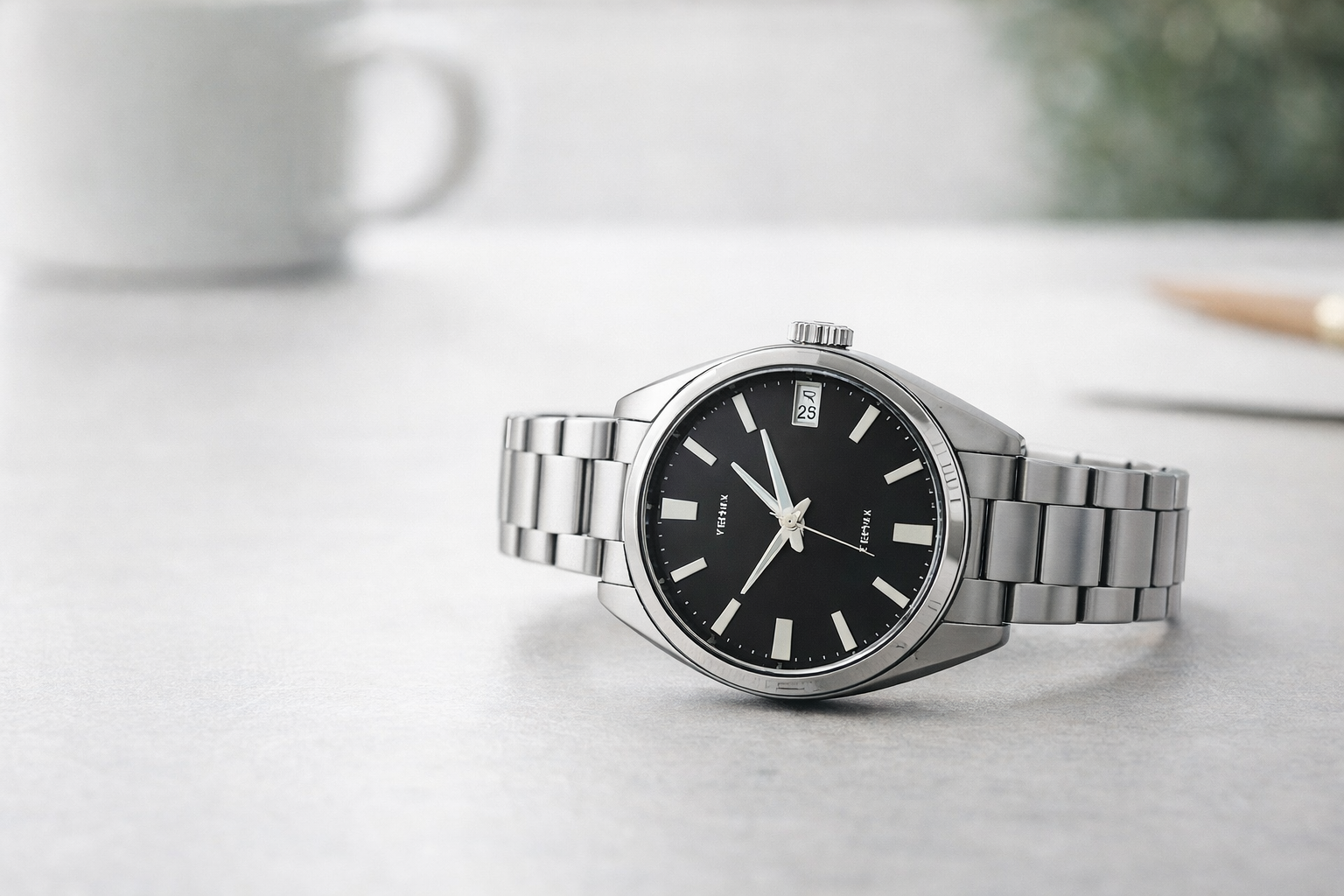
A buyer chooses one balanced stainless steel watch with a dark dial and medium case size. Over time, it works well for commuting, office wear, dinners, and casual weekends. Instead of splitting budget across several average choices, they put it into one stronger all-round option.
That is usually the best starting move for beginners.
This idea also connects naturally to How to Choose Your First Watch: A Beginner’s Guide if that article is already on your site.
What to check
- Do you want simplicity more than variety?
- Are you still learning your own preferences?
- Would one versatile watch cover most of your week?
2. Several Watches Give You More Flexibility in Real Daily Life
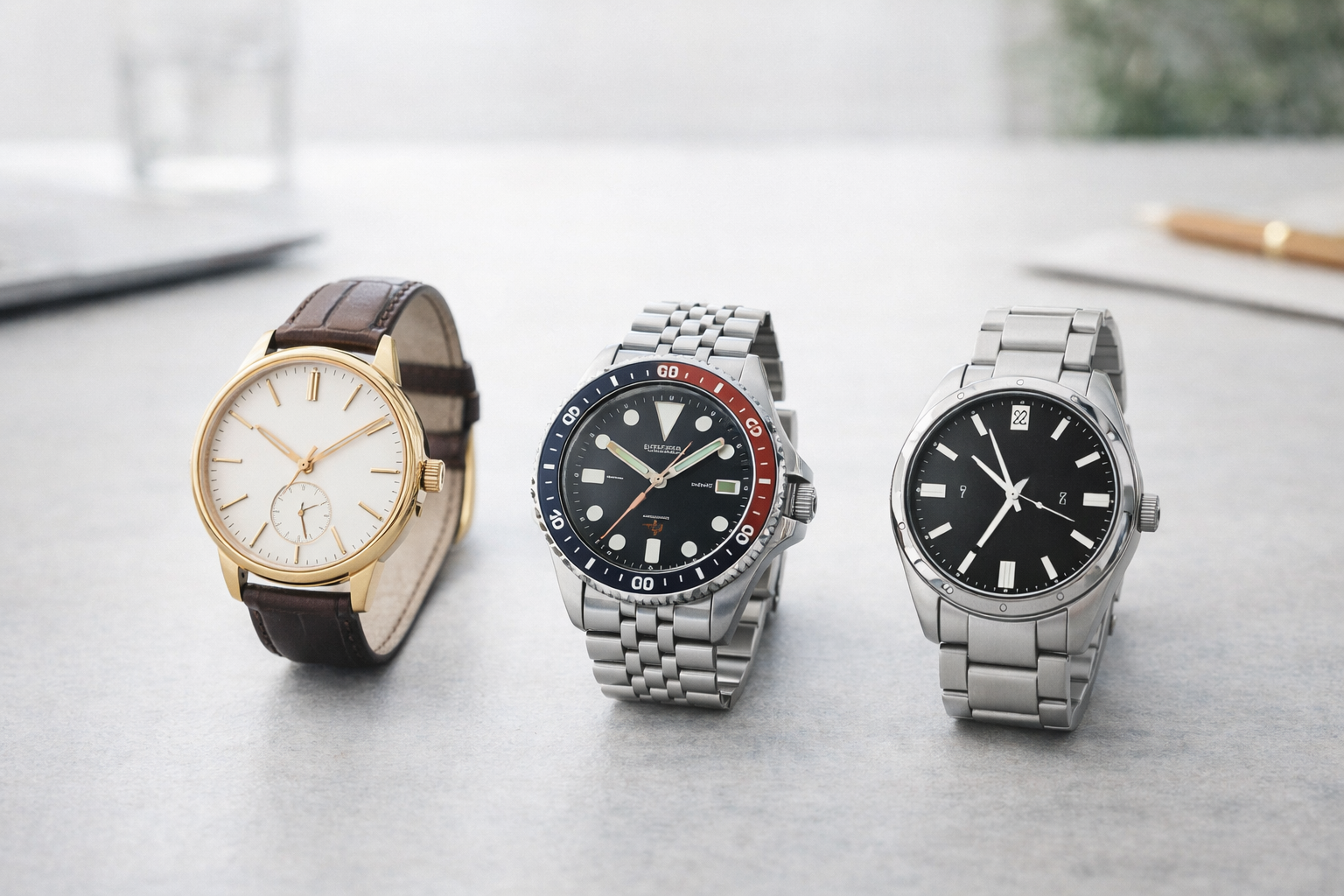
While one watch is simpler, several watches can make daily use easier in different situations.
This is especially true when your routine changes often. Workwear, casual outfits, formal events, travel, hot weather, and more active days can all make different watches feel more suitable.
Real-life example
Someone wears a clean steel watch to the office during the week, a lighter strap watch on weekends, and a slimmer dressier watch for formal dinners. None of these watches has to do everything alone, so each one feels more natural in its own setting.
That flexibility is the biggest advantage of owning more than one watch.
What to check
- Do your outfits change a lot during the week?
- Do you want different watches for different situations?
- Would comfort improve if you rotated between styles?
3. Budget Often Changes the Best Answer
Budget matters more than many people admit.
If your budget is limited, buying one better watch is usually smarter than buying several weaker ones. One solid, well-balanced watch often gives a better ownership experience than spreading the same money across multiple pieces that do not wear or feel as well.
Real-life example
A buyer with a modest budget considers three inexpensive watches but ends up choosing one stronger everyday watch instead. The result is better finishing, better comfort, and a more reliable daily experience.
At the beginning, quality usually matters more than quantity.
This is also why articles like What Makes a Watch Look Expensive? 9 Details Most People Notice are useful when deciding where your money should go.
What to check
- Would your budget be stronger spent on one better piece?
- Are you choosing variety too early?
- Would one higher-quality watch serve you longer?
4. Comfort Can Be Better With One Watch or With Several
Comfort is one of the most personal parts of this decision.
For some people, one familiar watch becomes easier and easier to wear over time. It feels natural, dependable, and almost invisible on the wrist. For others, rotating watches improves comfort because different days call for different wearing experiences.
Real-life example
A steel bracelet watch may feel ideal for cooler office days, while a softer strap watch feels better during warmer weekends or travel. In that case, several watches actually make comfort easier to manage.
This is why comfort is not only about case size. It is also about daily context.
If comfort matters a lot to you, this article pairs well with What Makes a Watch Comfortable All Day? 7 Details Buyers Often Ignore.
What to check
- Do you prefer one familiar wearing experience?
- Do different seasons or routines affect comfort?
- Would rotating straps or watches make daily wear easier?
5. One Watch Usually Means Easier Maintenance and Less Decision Fatigue

Owning one watch has one major advantage that people often underestimate: ease.
There is less maintenance to think about, less storage to manage, fewer decisions in the morning, and less temptation to overcomplicate something that should feel simple.
Real-life example
Someone with a busy routine prefers wearing the same reliable watch every day because they never have to wonder what matches best, what needs winding, or what feels right. It saves time and keeps the whole experience effortless.
That simplicity is valuable, especially for people who do not want watches to become a hobby in themselves.
This also connects naturally to Automatic vs Quartz: Which One Requires More Maintenance? if you want to help readers think about long-term ownership.
What to check
- Do you want less maintenance and fewer choices?
- Would one reliable watch make mornings easier?
- Are you looking for practicality more than collecting?
6. Several Watches Can Actually Extend Long-Term Wear Life
On the other hand, rotating watches can reduce constant wear on a single piece.
If you wear one watch every day for everything, it naturally sees more friction, more wrist time, and more exposure to daily wear. A small rotation can spread that out.
Real-life example
A buyer alternates between two or three watches during the week. Each watch gets less constant strain, and the variety keeps the experience feeling fresh without requiring a large collection.
For some people, that makes several watches feel more sensible over the long run.
This section can naturally link to How to Protect Your Watch from Daily Wear and Damage because long-term use and rotation often go together.
What to check
- Are you wearing one watch for every activity?
- Would a small rotation reduce daily wear?
- Do you want your watches to stay looking fresher longer?
7. The Best Choice Depends on Whether You Want Simplicity or Variety
In the end, this decision comes down to lifestyle.
If you like simplicity, want less maintenance, and prefer one familiar watch that works almost everywhere, one watch probably makes more sense. If you enjoy changing your look, adapting to different settings, or choosing based on comfort and mood, several watches may feel much more practical.
Real-life example
One buyer feels happiest with a single versatile watch they trust in every setting. Another feels boxed in by one watch and enjoys switching between a sporty piece, a cleaner office watch, and a more formal option. Both choices are valid because both fit real lifestyles.
That is the key point: the better choice is the one that matches your real week, not the one that sounds ideal in theory.
If fit and versatility are both part of your decision, this also pairs well with How to Choose the Right Watch Size for Your Wrist because the more adaptable a watch feels, the more useful it becomes.
What to check
- Do you want less choice or more flexibility?
- Would you actually use several watches regularly?
- Are you buying for real life or just for the idea of variety?
What Buyers Often Get Wrong
Many buyers assume:
- one watch is always the smarter choice
- several watches automatically mean better value
- more choice always improves the daily experience
But in real life, both approaches can fail if they do not match the person.
One watch fails when it cannot handle enough of your real routine. Several watches fail when they create clutter, wasted money, or pieces you rarely wear.
That is why the better question is not “which is better in general?” but “which works better for the way I actually live?”
Who Should Start With One Watch?
Starting with one watch often makes more sense for people who:
- are new to watches
- want one reliable daily piece
- have a limited budget
- prefer simplicity
- do not want to think much about rotation or collecting
For these people, one strong all-round watch is often the smartest decision.
Who Might Benefit More From Several Watches?
Several watches may make more sense for people who:
- dress differently across the week
- attend both casual and formal settings
- care a lot about comfort in different seasons
- already know their preferences
- enjoy variety and rotating styles
For these buyers, having a small practical rotation can feel more natural than forcing one watch to do everything.
Final Thoughts
So, should you own one watch or several?
For many people, one good versatile watch makes the most sense at the beginning. It is simpler, easier to maintain, and often a smarter use of budget. But once your routine, style, or comfort needs become more specific, several watches can make everyday life easier and more enjoyable.
The best answer is not about numbers. It is about fit.
If one watch can truly handle most of your real routine, that may be all you need. If different situations keep asking for different strengths, then a small rotation may be the more practical choice.
In the end, the right decision is the one that makes daily wear feel easier, not more complicated.
FAQ
1. Is it better to own one watch or several?
It depends on your lifestyle. One watch is usually better for simplicity and budget, while several watches offer more flexibility for different occasions and comfort needs.
2. Is one watch enough for everyday life?
For many people, yes. A versatile watch with a balanced design can work for work, weekends, and most normal daily situations.
3. When do several watches make more sense?
Several watches make more sense when your routine changes often, your outfits vary a lot, or you want different watches for comfort, style, or occasion.
4. Is buying one better watch smarter than buying several cheaper ones?
Often, yes. One better watch usually gives you stronger quality, better finishing, and a more satisfying daily experience than several weaker options.
5. Does rotating watches help them last longer?
It can. Rotating watches can reduce constant daily wear on a single piece and help spread long-term use across several watches.
6. Is one watch better for beginners?
Usually, yes. Starting with one watch helps beginners understand their preferences before building a larger rotation.
7. What is the biggest mistake buyers make here?
The biggest mistake is choosing based on theory instead of real lifestyle. The right answer depends on how you actually wear and use a watch every week.
