
How Many Features Does an Everyday Watch Really Need? What Matters Most
How Many Features Does an Everyday Watch Really Need? What Matters Most
Quick Answer
An everyday watch usually does not need many features. For most people, the most useful everyday watch functions are clear time display, comfortable fit, enough water resistance for normal daily life, and possibly a date window if you actually use it. Features like chronographs, GMT hands, rotating bezels, or multiple complications can be useful for some people, but they are not necessary for most everyday wear.
Introduction
A lot of buyers think more features mean a better watch.
It sounds logical. If one watch has a clean dial and simple three-hand layout, while another has a date window, extra timing functions, more markers, more text, and more technical details, the second one may feel like the better value at first glance. It seems like you are getting more for your money.
But everyday life often tells a different story.
A watch that does too much can become harder to read, harder to style, and less relaxing to wear. In contrast, a watch with fewer features can feel more useful simply because it is easier to live with. It works quickly, feels balanced, and does its job without making the daily experience more complicated.
That is why this question matters.
The best everyday watch is not always the one with the most functions. It is often the one with the right functions for your real routine. If you are still deciding what makes a watch practical in general, it also helps to read How to Choose the Right Watch for Everyday Wear before thinking too much about extra features.
A Real-Life Situation Many Buyers Recognize
Imagine two buyers choosing between two watches.
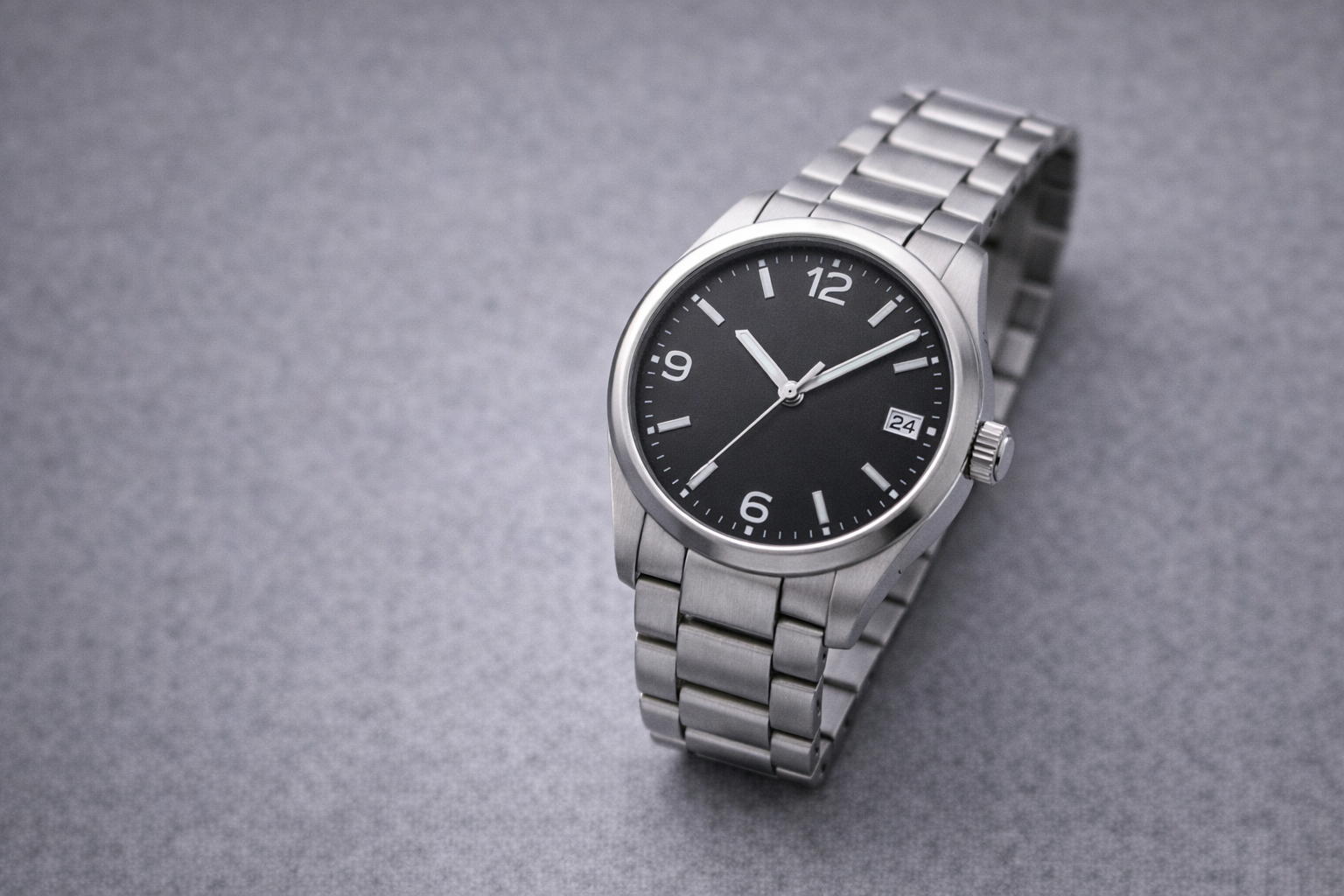
The first watch is simple: three hands, clear markers, good size, and a clean dial. The second watch looks more “serious” because it includes a date, extra subdials, more text, stronger lume, and a more technical appearance.
At first, the second one feels like the smarter choice. It looks like it offers more.
But after a few months, the simpler watch often becomes the easier one to wear. It is quicker to read, easier to match with different outfits, and more relaxing in daily use. The more feature-heavy watch still has appeal, but it may feel busier than necessary for normal life.
That is what many buyers realize later.
The features that look exciting when shopping are not always the same ones that improve everyday use.
1. Clear Time Display Matters More Than Extra Functions
The most important job of a watch is still very simple: telling the time clearly.
That sounds obvious, but many people forget it when comparing features. If the hands blend into the dial, the markers feel too busy, or the layout makes the watch harder to read at a glance, then extra features do not help much.
Real-life example
A buyer chooses a clean three-hand watch and finds it easier to use at work, while commuting, and during quick glances throughout the day. Another buyer chooses a watch with more dial details but later notices that the cleaner watch is faster and less tiring to read.
For daily wear, clarity usually matters more than complexity.
What to check
- Can you read the time quickly?
- Do the hands stand out clearly?
- Does the dial feel calm instead of crowded?
This idea pairs naturally with A Clean Dial Is Usually Better for Beginners if you already have a beginner guide live, or more broadly with What Makes a Watch Look Expensive? 9 Details Most People Notice because clarity often improves both usefulness and appearance.
2. A Date Window Is Useful for Some People, but Not Essential for Everyone
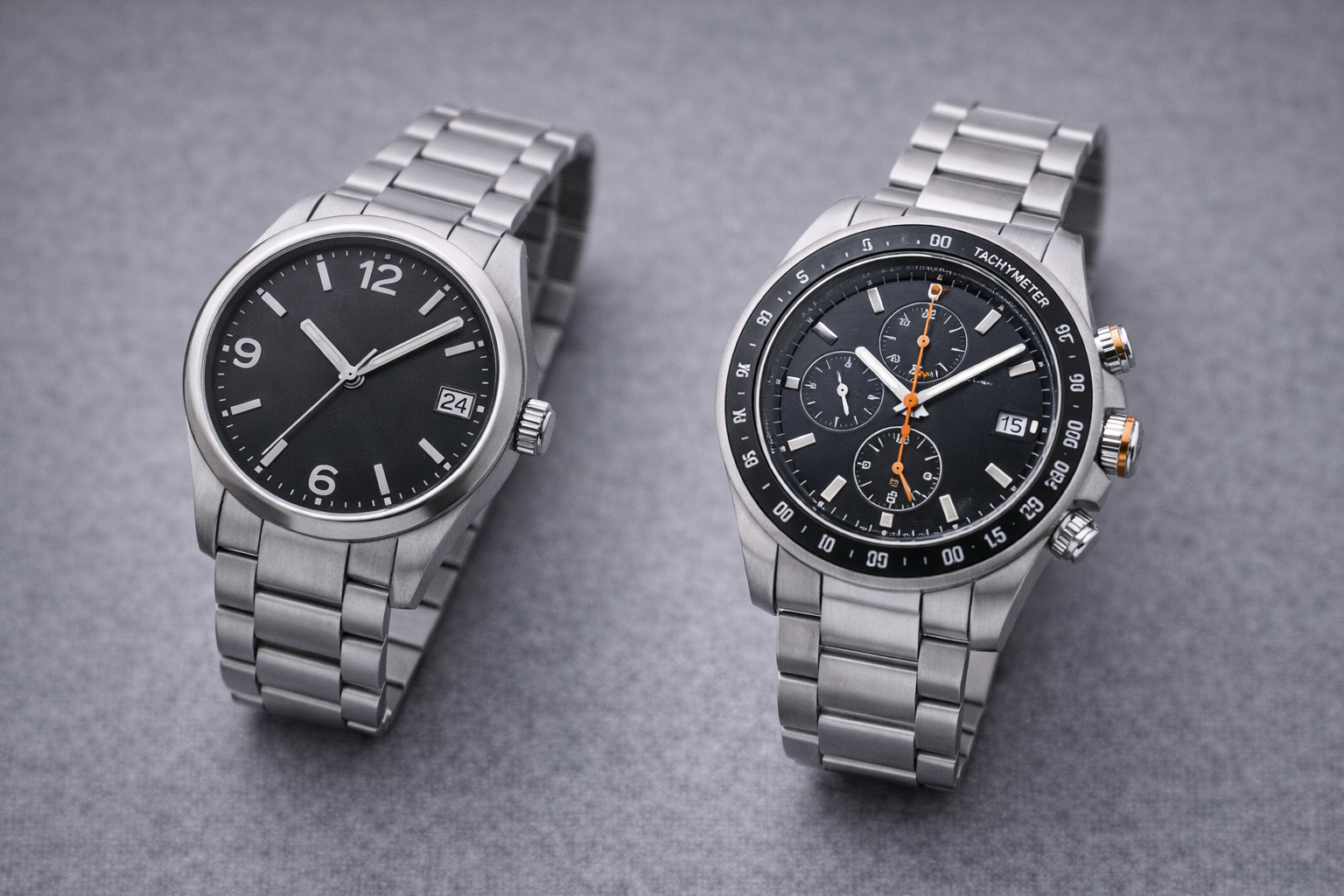
The date function is one of the most common everyday features, and for many people it is genuinely useful.
If you check the date often for work, scheduling, forms, or general routine, then a date window can make the watch more practical. But if you rarely use it, it may be less important than you think.
Real-life example
Someone who works at a desk, signs documents, or checks dates regularly may appreciate having that information on the wrist. Another person may realize they always check the phone or laptop anyway, so the date window adds very little to the real experience.
That does not make date windows bad. It just means they are personal.
What to check
- Do you actually check the date often?
- Does the date window improve the dial or disrupt it?
- Would you miss it in real daily use?
This also connects well with Watch Buying Guide for Beginners: How to Choose Your First Watch with Confidence because new buyers often overestimate which features they will really use.
3. Water Resistance Is More Important Than Most Complications
If you wear a watch every day, water resistance is often more useful than more advanced complications.
You may never use a chronograph, a tachymeter, or a second time zone in daily life. But you will almost certainly encounter splashes, rain, hand washing, and general exposure to moisture.
Real-life example
A buyer chooses a stylish watch with limited water resistance and later feels nervous wearing it during normal daily routines. Another buyer chooses a watch with practical water resistance and never has to overthink rain, kitchen use, or hand washing.
That kind of quiet confidence matters in a daily watch.
What to check
- Is the watch suitable for your normal routine?
- Will you feel relaxed wearing it every day?
- Does the water resistance match how you actually live?
If this matters to you, read Water Resistance in Watches Explained: What You Really Need for Daily Life.
4. Comfort Features Often Matter More Than Technical Features
Many buyers focus on functions and forget comfort.
But in real life, comfort may be more important than almost any extra feature. A watch that is too heavy, too thick, badly balanced, or awkward on the wrist will feel less practical no matter how many functions it offers.
Real-life example
A watch with multiple useful features may still end up staying in the drawer because it feels too tall or too heavy for daily wear. Meanwhile, a simpler watch with fewer functions may get worn constantly because it feels natural from morning to evening.
That is why daily usefulness often starts with comfort.
What to check
- Does the watch sit naturally on the wrist?
- Is it comfortable for long hours?
- Would you still wear it all day, every day?
This section pairs naturally with What Makes a Watch Comfortable All Day? 7 Details Buyers Often Ignore.
5. Lume Can Be Helpful, but Only If You Actually Need It
Lume is useful for some people, but not everyone.
If you spend time in low-light environments, drive at night often, or want quick visibility in darker settings, lume can make a difference. But for many buyers, it is more of a nice bonus than a deciding feature.
Real-life example
A person who regularly checks the time at night or in dim environments may appreciate strong lume. Another person may realize they almost never rely on it in real life, making it far less important than readability in normal lighting.
The best everyday feature is one you actually use.
What to check
- Do you often need low-light readability?
- Is lume a real need or just a nice idea?
- Would you choose it over better comfort or better proportions?
6. Too Many Features Can Reduce Versatility
This is where more is not always better.
A watch with many features can look more technical, but it can also become more specific. The more specialized the design feels, the harder it may be to wear across office settings, casual outfits, smarter occasions, and long-term daily use.
Real-life example
A buyer chooses a feature-heavy watch and loves the detail at first. Later, the same watch starts feeling too sporty or too busy for different parts of the week. A simpler watch with fewer functions ends up getting much more wrist time because it works in more situations.
That is one of the biggest trade-offs in everyday watch design.
What to check
- Does the watch still feel versatile?
- Are the features helping daily life or narrowing where you can wear it?
- Would a simpler design suit more of your week?
This connects well with Are Simple Watch Designs More Versatile? What Works Best in Real Life.
7. The Best Everyday Features Are Usually the Quiet Ones
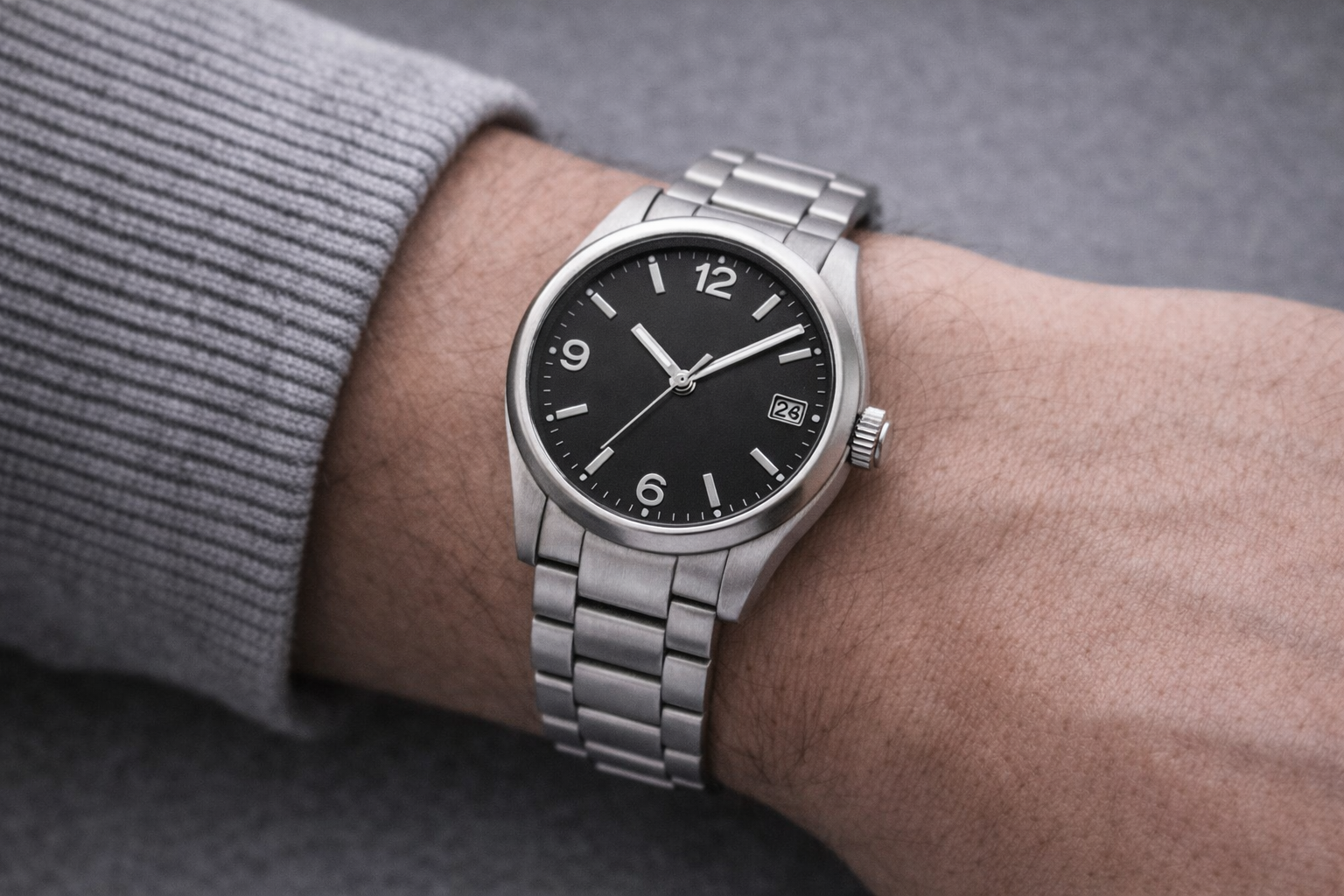
The most useful everyday features are often the least dramatic.
A clear dial, sensible size, decent water resistance, good comfort, and maybe a date window if you use it — those are the things that quietly improve daily life. They may not look exciting on a feature list, but they are the features people notice most after months of actual wear.
Real-life example
A buyer first chooses a watch for its more impressive list of functions, but later realizes the watch they wear most is the one that feels easiest, clearest, and most dependable. The watch with fewer features ends up being the better everyday watch because it creates less friction.
That is what matters most.
What to check
- Which features would you actually notice after six months?
- Does the watch make daily life easier or more complicated?
- Are you buying for real use or for specification lists?
This idea also pairs naturally with One Watch or Several? Which Choice Makes More Sense for Everyday Life because many buyers eventually realize practicality matters more than feature quantity.
What Features Matter Most for Most People?
For most everyday buyers, the most useful watch features are usually:
- clear readability
- comfortable fit
- practical water resistance
- durable case and strap
- easy daily versatility
- date window only if personally useful
What most people do not necessarily need in an everyday watch:
- multiple subdials
- GMT unless they travel or track another time zone often
- rotating bezels unless they actually use them
- overly technical layouts
- extra complications that make the dial busier without improving daily life
Who Might Actually Need More Features?
More features may make sense for people who:
- travel often and use a GMT
- time things regularly and truly use a chronograph
- spend time in low light and depend on strong lume
- need stronger water resistance for active routines
- enjoy tool-watch design and do not mind lower versatility
For these buyers, extra functions can be justified.
Final Thoughts
So, how many features does an everyday watch really need?
Usually, fewer than many buyers think.
The best everyday watch is rarely the one with the longest feature list. It is usually the one that tells the time clearly, feels comfortable, survives normal daily life, and fits naturally into your routine. A date window may be useful. Water resistance is often worth having. Good readability and comfort matter a lot. Beyond that, most extra features only make sense if they match your actual lifestyle.
In the end, the most useful everyday watch is not the one that does the most on paper. It is the one that feels easiest to live with every day.
FAQ
1. What features does an everyday watch really need?
For most people, an everyday watch mainly needs clear readability, comfortable fit, useful water resistance, and maybe a date window if it fits the routine.
2. Is a date window necessary on an everyday watch?
Not for everyone. It is useful for some people, but many buyers realize they do not rely on it as much as they expected.
3. Are chronographs good for everyday watches?
They can be, but only if you actually use the feature. For many people, they add visual complexity without adding daily usefulness.
4. Is water resistance important for daily wear?
Yes. Even normal daily life includes splashes, rain, and hand washing, so practical water resistance matters more than many extra complications.
5. Does lume matter on an everyday watch?
It can be helpful, but for many buyers it is optional unless they often check the time in low-light conditions.
6. Are simpler watches better for everyday life?
Often, yes. Simpler watches are usually easier to read, more versatile, and more comfortable to live with over time.
7. What is the biggest mistake buyers make here?
A common mistake is choosing based on feature lists instead of thinking about what actually improves daily use.
