
Do You Really Need a Dress Watch? What Most Buyers Realize Later
Do You Really Need a Dress Watch? What Most Buyers Realize Later
Quick Answer
Not everyone really needs a dress watch. If you wear formal clothing often, attend business events, or prefer a cleaner and more refined style, a dress watch can make sense. But for many buyers, a versatile everyday watch is more practical because it can still work in smarter settings without feeling too limited in daily life.
Introduction
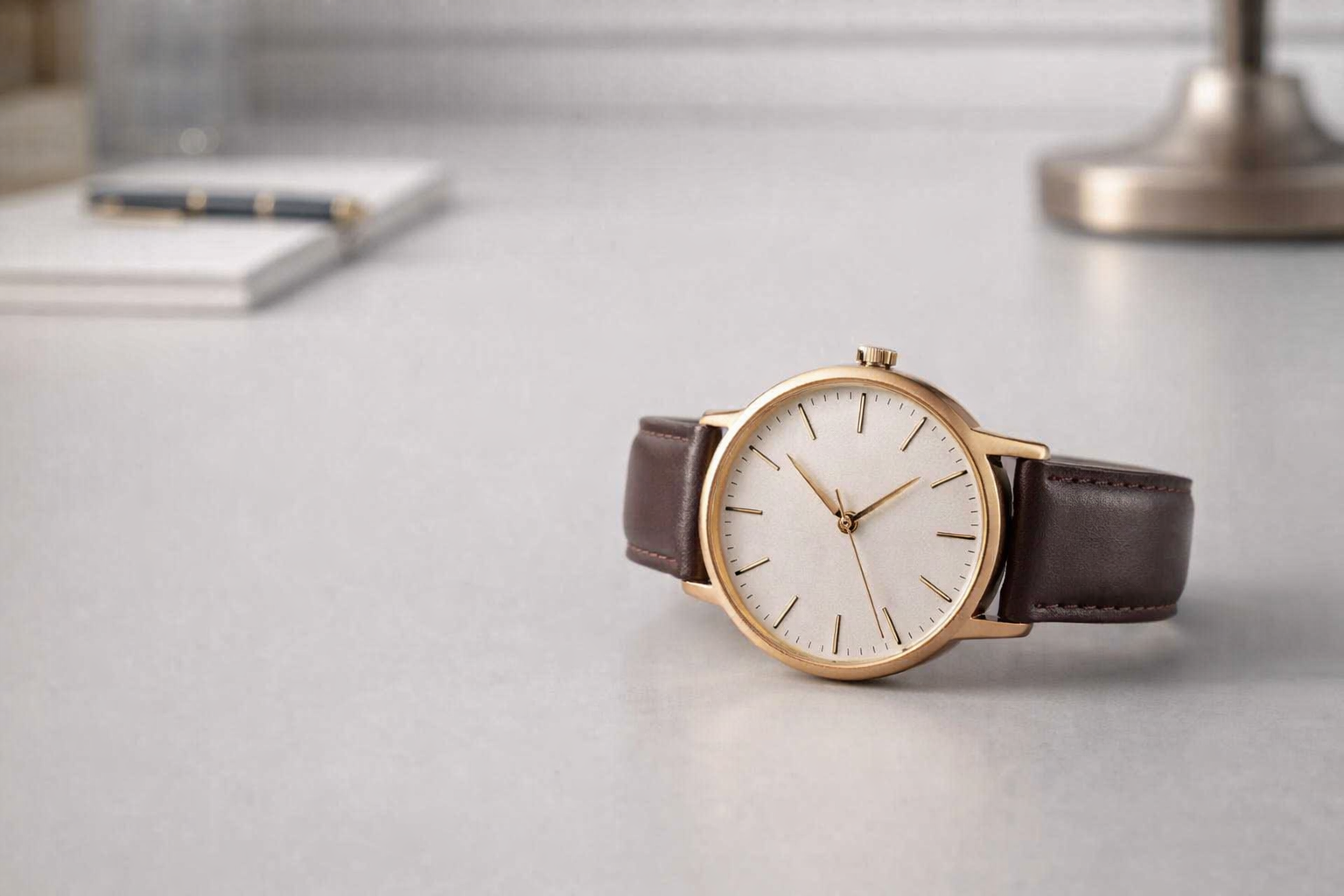
A dress watch sounds like something every watch buyer should own.
It feels like a natural step. You buy an everyday watch first, then at some point you assume you need a dress watch too. After all, dress watches are associated with elegance, good taste, and classic watch culture. They look clean, refined, and timeless.
But real life is usually less formal than watch advice makes it sound.
A lot of buyers imagine themselves needing a dress watch more often than they actually do. They picture weddings, dinners, business meetings, or formal events, and assume a slim leather-strap watch is an essential part of being properly dressed. Later, they realize that those occasions do not come often enough to justify a watch that spends most of its life sitting still.
That is why this question matters.
A dress watch can be beautiful, but beauty and necessity are not the same thing. If you are still figuring out what kind of watch actually fits your weekly routine, it also helps to read How to Choose the Right Watch for Everyday Wear before deciding whether a dress watch belongs in your collection.
A Real-Life Situation Many Buyers Recognize
Imagine someone building their first small watch collection.
They already have a versatile steel watch that works well for the office, weekends, and daily use. Then they start seeing advice that every collection should include a proper dress watch. So they buy a slim watch on a leather strap with a simple dial, thinking it will complete the set.
At first, it feels like a smart move.
But after a few months, they notice something: the dress watch hardly gets worn. Weddings are occasional. Formal dinners are rare. Even in smarter settings, they still end up wearing their more versatile everyday watch because it feels familiar, comfortable, and good enough.
That is what many buyers only realize later.
A dress watch can make sense, but only if it matches your actual life rather than an imagined version of it.
1. A Dress Watch Makes the Most Sense if You Regularly Dress Formal
The strongest reason to own a dress watch is simple: you actually have regular reasons to wear one.
If your weekly life includes formal office wear, tailored clothing, business meetings, weddings, dinners, or events where a cleaner and slimmer watch feels more appropriate, then a dress watch can absolutely earn its place.
Real-life example
Someone who wears suits several times a week may find that a slim leather-strap watch fits better under a shirt cuff, looks cleaner with tailored clothing, and feels more natural in professional settings than a heavier steel sports watch.
In that kind of routine, a dress watch is not a luxury. It is practical.
What to check
- Do you regularly wear tailoring or smarter clothing?
- Do you attend enough formal events to justify a more refined watch?
- Would a slimmer, cleaner watch fit your normal wardrobe better?
This idea pairs naturally with How to Choose the Right Watch for Formal Occasions if you want to go deeper into what makes a formal watch work well.
2. Many Buyers Overestimate How Often They Need a Truly Formal Watch
This is where reality starts to separate from theory.
A lot of people like the idea of a dress watch more than they actually use one. They think formal occasions happen often enough to justify a dedicated piece, but daily life usually turns out to be much more casual or mixed.
Real-life example
A buyer purchases a classic dress watch expecting to use it for dinners, work, and occasional events. A few months later, they realize most of those situations are still casual enough for a simple steel everyday watch, so the dress watch rarely leaves the box.
This does not mean the watch was bad. It means the fit with real life was weaker than expected.
What to check
- Are you buying for your actual routine or an idealized one?
- How many times in the last month would a dress watch truly have been the better choice?
- Would a clean everyday watch already cover most of those situations?
This also connects well with One Watch or Several? Which Choice Makes More Sense for Everyday Life because many people solve “dress watch anxiety” by expecting one collection piece to do too much.
3. A Versatile Everyday Watch Can Often Cover Smarter Situations Well Enough
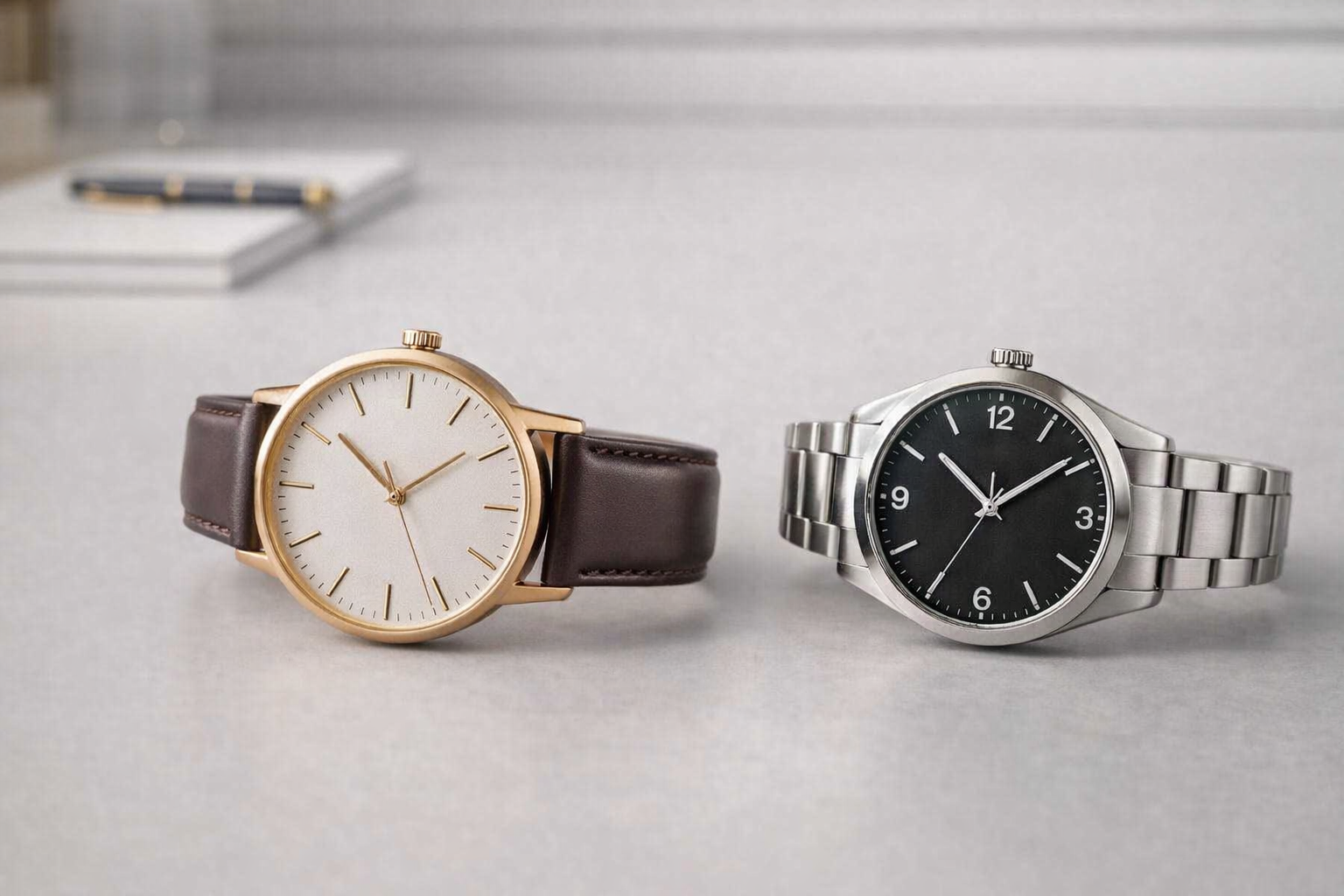
One of the biggest reasons people skip a dress watch is that modern everyday watches have become much more adaptable.
A clean steel watch with a moderate size, dark or silver dial, and balanced design can often work well enough in both casual and smarter settings. It may not be a pure dress watch, but for many people it is close enough.
Real-life example
Someone wears a simple three-hand steel watch with a black dial to the office, to dinner, and even to a wedding. It may not be as slim or formal as a traditional dress watch, but it never feels out of place.
For many buyers, that kind of flexibility matters more than owning the “correct” category.
What to check
- Does your current everyday watch already work in smarter settings?
- Is your lifestyle formal enough to need more than that?
- Would you rather own one more versatile watch than one highly specific one?
This question fits naturally with Are Simple Watch Designs More Versatile? What Works Best in Real Life because many of the most useful non-dress watches succeed through restraint, not formality.
4. Comfort and Wear Frequency Matter More Than Category Labels
A dress watch may be elegant, but if it is not comfortable or if you never reach for it, then the category label does not matter much.
This is one reason some buyers end up preferring cleaner steel watches or lighter everyday designs over dedicated dress pieces. They simply get worn more.
Real-life example
A buyer owns both a dress watch and a clean steel bracelet watch. On paper, the dress watch is the better option for smarter occasions. In practice, the steel watch gets chosen more because it feels more familiar, more balanced, and easier to wear for longer periods.
That is an important lesson: utility often beats theory.
What to check
- Which watch do you actually reach for most often?
- Does the dress watch feel too limited?
- Are you buying for category balance or for real wearing habits?
If daily comfort affects your choices a lot, this also pairs well with What Makes a Watch Comfortable All Day? 7 Details Buyers Often Ignore.
5. A Dress Watch Is Most Valuable When It Adds Something Your Other Watches Do Not
A dress watch makes more sense when it fills a real gap.
If your current watches are all sporty, thick, casual, or bracelet-based, then adding a slimmer leather-strap watch can bring useful variety. But if your everyday watch is already restrained, slim enough, and visually clean, the gap may be smaller than you think.
Real-life example
A buyer with only sportier watches adds one slim, simple dress watch and suddenly has a much better option for weddings, dinners, and formal office use. Another buyer already owns a clean, understated steel watch and finds that a dress watch feels too close to what they already have.
That difference matters.
What to check
- Does a dress watch add a new function to your collection?
- Or does it mostly duplicate what you already own?
- Are you solving a real need or just completing a category?
This question fits naturally with What Makes a Watch Look Expensive? 9 Details Most People Notice because many dress watches are chosen more for visual refinement than for daily practicality.
6. Style Preference Matters More Than Watch Rules
Some people simply like the cleaner, quieter feeling of dress watches. Others feel more themselves wearing slightly sportier or more modern everyday pieces.
That preference matters more than old watch rules.
Real-life example
One buyer loves the elegance of a slim white-dial watch on leather and wears it whenever possible. Another feels uncomfortable in that style and always prefers a restrained steel watch with a bracelet, even in dressier settings. Both are making the right decision for themselves.
A watch should fit your style, not force one onto you.
What to check
- Do you genuinely like how dress watches feel on the wrist?
- Would you feel confident wearing one often?
- Or do you simply think you are supposed to own one?
This also connects well with How to Match a Watch with Different Outfits and Occasions because personal style often matters more than textbook categories.
7. Most Buyers Realize Later That Practicality Usually Wins
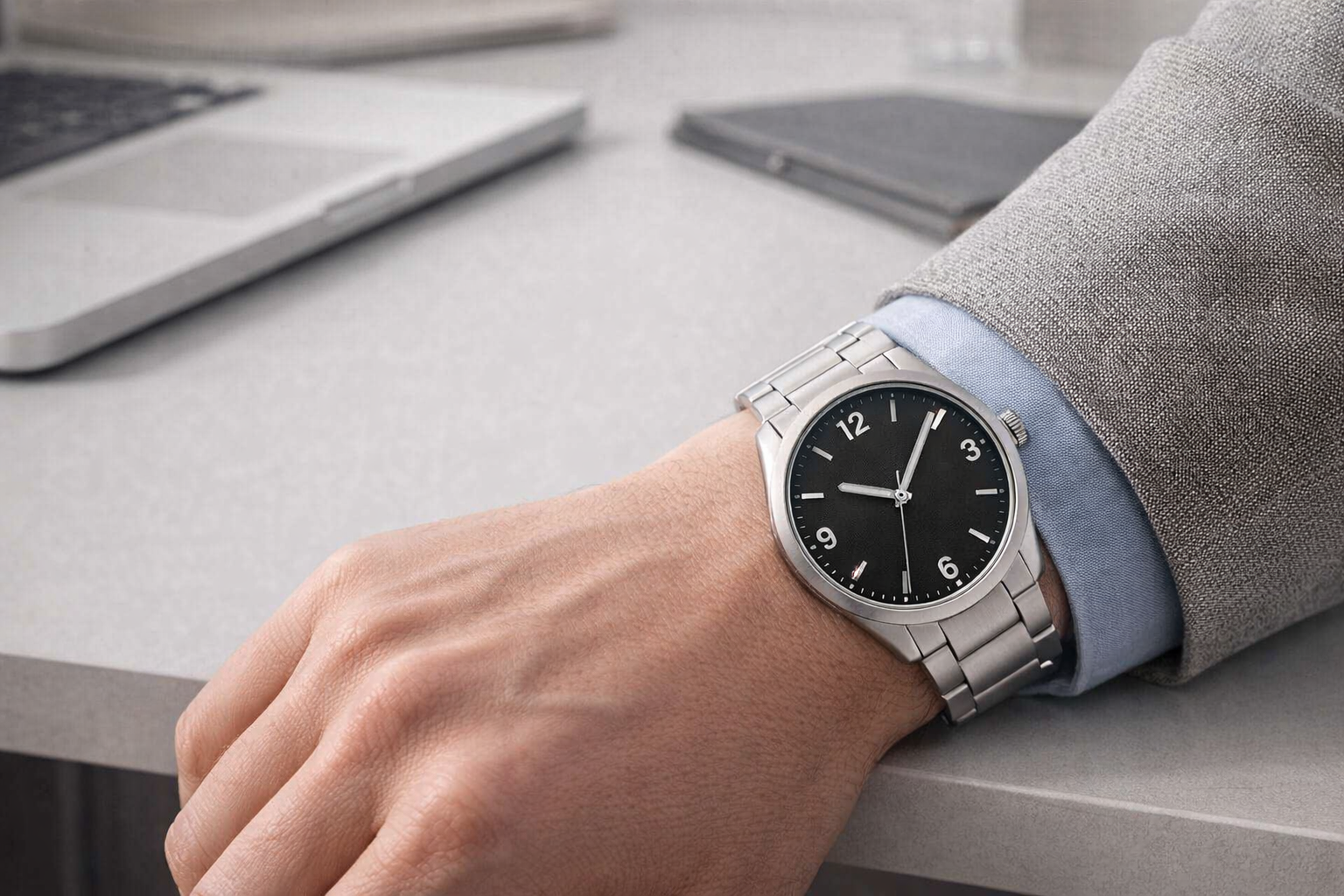
This is the biggest lesson behind the whole question.
Many buyers think in categories at first: everyday watch, dress watch, sports watch, weekend watch. Later, they start thinking more practically. They notice which watch actually gets worn, which one fits most situations, and which one stays comfortable and easy over time.
Real-life example
A buyer starts out convinced they need a proper dress watch, but later finds that their clean everyday watch handles most smarter situations well enough. The dress watch remains attractive, but no longer feels essential.
That is what most buyers realize later: practicality usually wins.
What to check
- Which watch fits most of your real week?
- Are you choosing based on use or based on collecting logic?
- Would a dress watch improve your life or just make your collection look more complete?
This idea pairs naturally with How to Choose Your First Watch: A Beginner’s Guide because beginners often feel unnecessary pressure to “build a proper collection” too early.
What Buyers Often Get Wrong
Many buyers assume:
- every collection needs a dress watch
- formal occasions require a dedicated formal watch
- a dress watch automatically adds sophistication
But in real life, a clean and balanced everyday watch often covers more than people expect.
That does not make dress watches irrelevant. It just means they are more lifestyle-dependent than many buyers realize.
Who Probably Does Need a Dress Watch?
A dress watch probably makes sense if you:
- wear suits or tailored clothing regularly
- attend formal events often
- want a slimmer watch for cuffs and smarter settings
- enjoy classic watch style
- feel that your current watches are too sporty or casual
For these buyers, a dress watch can be genuinely useful.
Who Probably Does Not Need One Yet?
You probably do not need a dress watch yet if you:
- mostly dress casually
- already own a clean versatile everyday watch
- rarely attend formal events
- prefer practical over category-based buying
- are still building your first or second watch
For these buyers, versatility often matters more than formality.
Final Thoughts
So, do you really need a dress watch?
For some buyers, yes. But for many others, not yet.
A dress watch makes the most sense when your actual routine gives it clear purpose. If you regularly dress formally, value classic elegance, or need something slimmer and more refined than your everyday watch, it can be a great addition. But if your life is more casual or mixed, a versatile everyday watch may already do enough.
That is what most buyers realize later: a beautiful watch is not always a necessary one.
In the end, the smartest watch choice is usually the one that fits your real week, not the one that looks most correct in theory.
FAQ
1. Does everyone need a dress watch?
No. A dress watch makes sense for some lifestyles, but many buyers can rely on a clean everyday watch instead.
2. What counts as a dress watch?
A dress watch is usually slimmer, cleaner, and more refined, often with a simple dial and leather strap or understated bracelet.
3. Can an everyday watch replace a dress watch?
Often, yes. A versatile everyday watch with a balanced design can work well in many smarter settings.
4. When should I buy a dress watch?
Buy one when your routine includes enough formal wear or events to justify it, or when your current watches feel too casual for those situations.
5. Is a leather strap necessary for a dress watch?
Not always, but leather often feels more traditional and formal. Some clean bracelet watches can still work well in dressier settings.
6. Is a dress watch a good second watch?
It can be, but only if it fills a real gap in your routine. Otherwise, another versatile watch may be more useful.
7. What is the biggest mistake buyers make here?
A common mistake is buying a dress watch for the idea of having one instead of for real use in daily life.
