
Does a Watch with More Dial Text Look Less Premium? What Buyers Notice Fast
Does a Watch with More Dial Text Look Less Premium? What Buyers Notice Fast
Quick Answer
Often, yes. A watch with too much dial text can look less premium because the design feels busier and less controlled. In many cases, a cleaner dial with fewer words looks more refined, more balanced, and easier to read. But text itself is not always the problem. What matters most is whether the wording is necessary, well placed, and visually balanced within the overall dial design.
Introduction
A lot of buyers assume premium looks come mostly from size, materials, or branding.
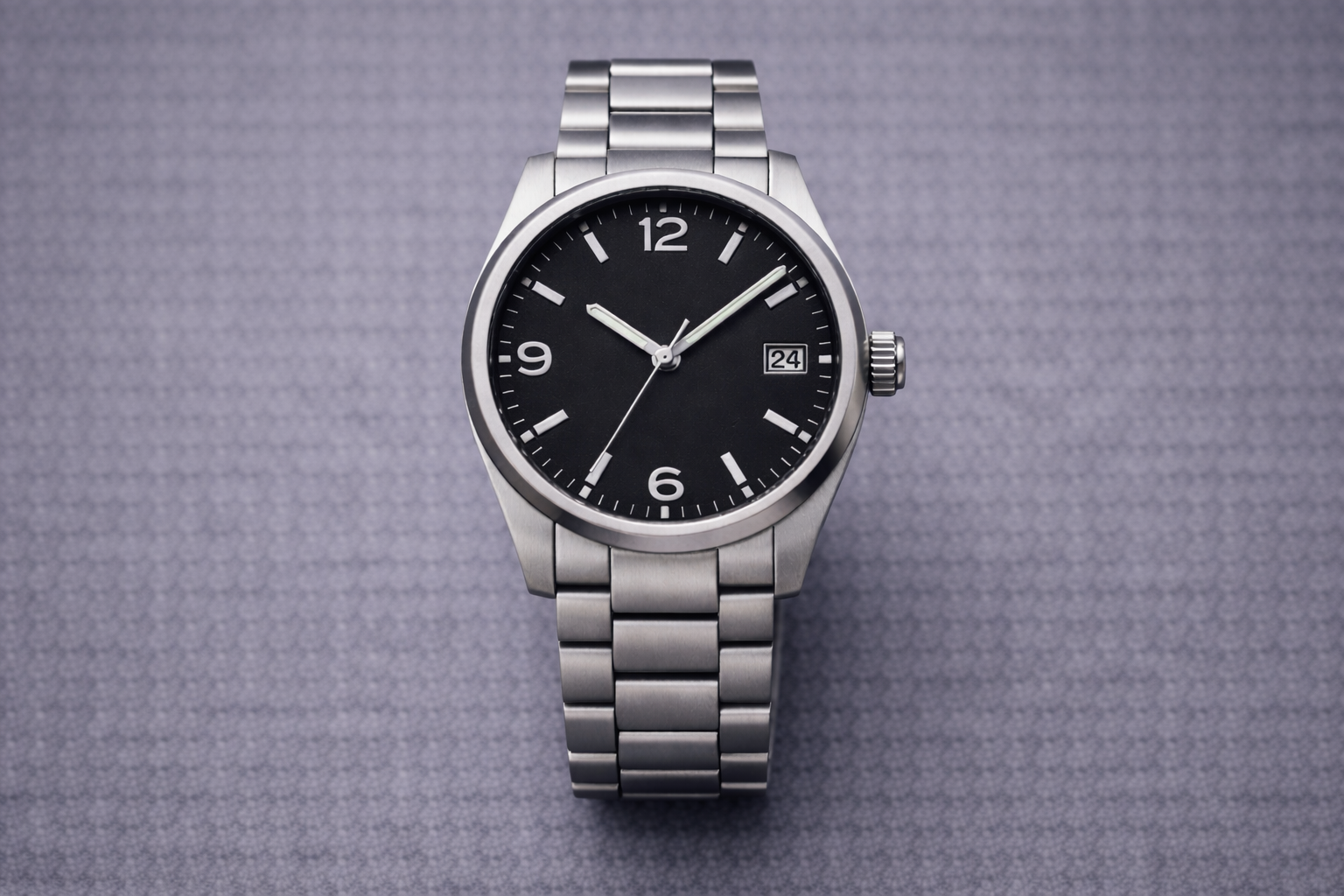
Those things matter, but the dial often shapes first impression much faster than people expect. Before someone notices the movement type, bracelet quality, or case finishing, they often notice something simpler: whether the dial looks clean or crowded.
That is where dial text becomes important.
Some watches feel sharp and refined because the dial is calm. Others may have decent quality but still look less premium because the face includes too many words, too many labels, or too much information competing for attention. The watch may technically offer more detail, but visually it can feel less expensive.
That is why this question matters.
A watch does not need an empty dial to look good, but it usually benefits from restraint. If you are already thinking about what makes a watch feel visually stronger in daily life, it also helps to read What Makes a Watch Look Expensive? 9 Details Most People Notice before focusing only on text layout.
A Real-Life Situation Many Buyers Recognize
Imagine two watches with similar size and similar price.
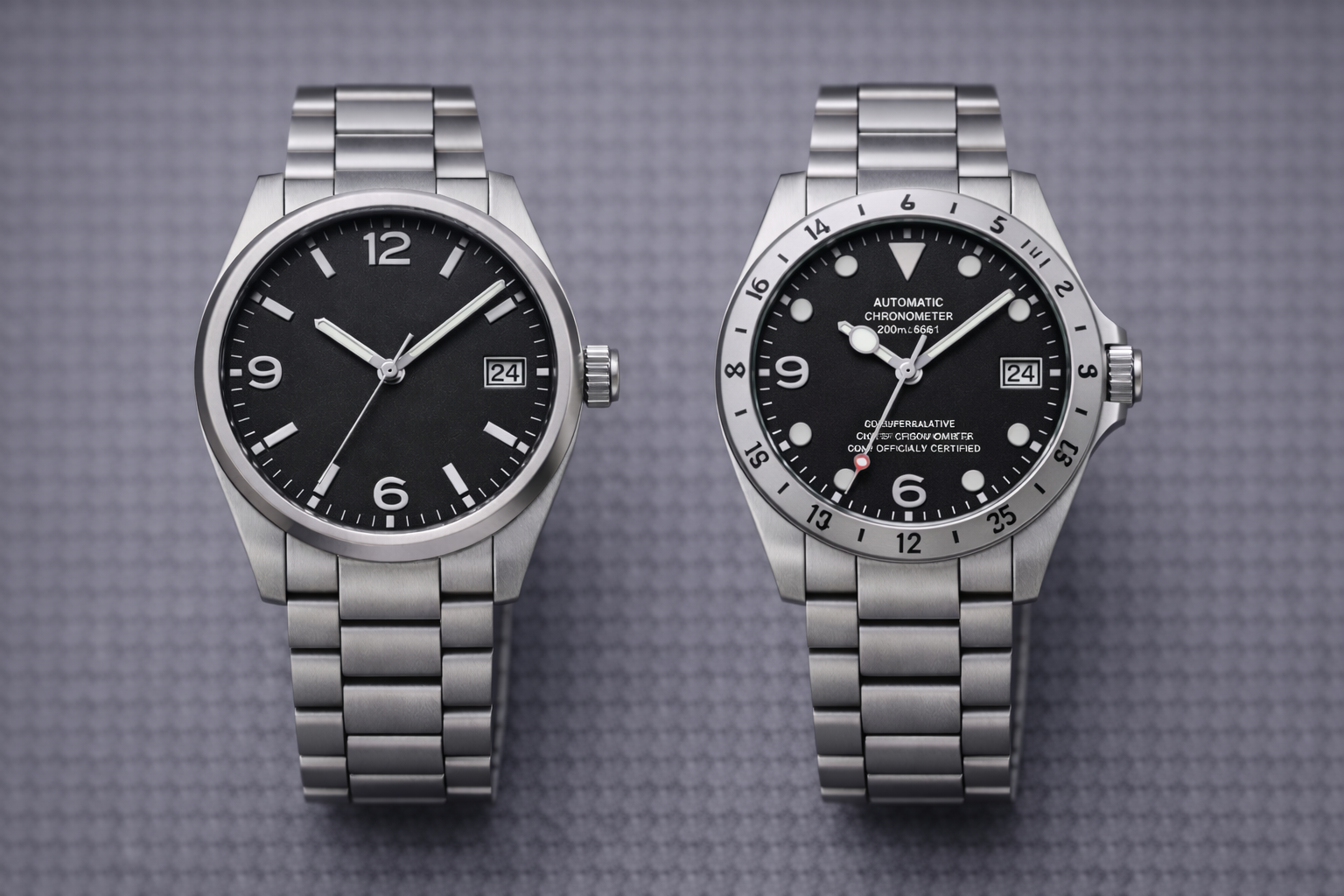
One has a simple dial with only the brand name and a few clean markers. The other includes extra lines of wording, movement details, water resistance text, model wording, and other printed elements across the dial.
At first, the second watch may feel like it offers more information or more technical identity.
But after a few seconds, many buyers start leaning toward the cleaner option.
Why?
Because the cleaner dial feels calmer. It looks more deliberate, more spacious, and easier to understand. The other watch may not actually be lower quality, but it often feels that way because too much text weakens visual control.
That is what buyers notice fast: not just what the watch says, but how crowded it feels.
1. Too Much Dial Text Usually Reduces Visual Calm
A premium-looking watch usually feels controlled.
That sense of control often comes from spacing, restraint, and balance. When too many words are printed across the dial, the result can feel noisier, even if every individual detail is technically useful.
Real-life example
A buyer compares two black-dial everyday watches. One shows only the essentials. The other adds multiple lines describing movement, water resistance, or other features. The cleaner watch immediately feels more refined because nothing distracts from the overall shape and layout.
This is one of the fastest ways dial text changes perception.
What to check
- Does the dial feel calm at first glance?
- Are the words supporting the design or competing with it?
- Is there enough empty space for the dial to breathe?
This idea pairs naturally with Are Simple Watch Designs More Versatile? What Works Best in Real Life.
2. More Information Does Not Automatically Feel More Premium
This is where buyers often get misled.
A more feature-heavy dial may look impressive in product listings because it seems to give you more. But visual value and premium feel are not the same thing. More written information can easily make the watch feel more technical without making it feel more refined.
Real-life example
Someone chooses a watch because the dial looks “serious” and detailed in photos. Later, they realize a simpler watch actually looks better on the wrist because the design feels cleaner and less cluttered in real use.
That is why more information is not always better information.
What to check
- Is the text genuinely useful in daily wear?
- Would the dial look stronger with less wording?
- Are you responding to technical detail or to real visual quality?
This connects well with How Many Features Does an Everyday Watch Really Need? What Matters Most because specification thinking often carries over into dial design.
3. Premium Watches Usually Use Text More Carefully, Not Always Less
The goal is not zero text. The goal is better judgment.
A premium-feeling watch often still includes branding, model cues, or practical details. The difference is that these elements are usually placed more carefully and do not overwhelm the layout. Good text placement feels intentional, not forced.
Real-life example
A watch with a brand name under 12 o’clock and a small amount of neatly positioned text above 6 o’clock may still look elegant because the wording respects the overall balance. Another watch with extra printed lines scattered across the dial can feel cheaper even if it says similar things.
That is why text discipline matters more than text count alone.
What to check
- Is the wording positioned neatly?
- Does the text feel proportional to the dial size?
- Is there visual discipline in how the information is presented?
This also pairs naturally with What Makes a High-Quality Watch? 7 Key Factors to Consider.
4. Dial Text Becomes More Noticeable on Simpler Watches
Interestingly, text can hurt more when the watch is otherwise clean.
On a minimalist or everyday watch, buyers expect the dial to feel open and balanced. That means extra wording becomes much more visible. On a highly technical or tool-style watch, some extra text may feel more expected.
Real-life example
A clean steel everyday watch with an otherwise simple dial may look noticeably less premium if multiple lines of text interrupt the symmetry. By contrast, a sportier tool watch may absorb a little more dial information without feeling as visually disrupted.
Context changes how text feels.
What to check
- Does the amount of text suit the watch category?
- Is the dial supposed to feel clean, technical, or sporty?
- Would the same wording look too heavy on a more minimalist design?
This section fits well with Does a Black Dial Watch Really Go With Everything? What Buyers Should Know because clean black dials often rely heavily on visual restraint.
5. Readability Usually Improves When Text Is Reduced
Premium feel is not only about style. It is also about ease.
A dial that is faster to read often feels more mature and more thoughtfully designed. Too much wording can weaken that impression because it adds visual friction. Even if the time itself remains readable, the overall dial becomes less restful to look at.
Real-life example
A buyer wears a watch daily and gradually notices that a cleaner dial simply feels easier to live with. Quick glances are smoother, the face feels more open, and the watch stays visually satisfying over time.
That is one reason cleaner dials often age better in ownership.
What to check
- Can you read the time instantly?
- Does anything on the dial feel distracting?
- Would removing some text improve daily use?
This connects naturally with Watch Buying Guide for Beginners: How to Choose Your First Watch with Confidence because readability is especially important for first-watch buyers.
6. Brand Confidence Often Shows Up as Restraint
One subtle thing buyers notice is confidence.
Watches that look premium often feel like they do not need to oversell themselves. They do not rely on too much wording to explain why they matter. The design simply feels self-assured.
Real-life example
A buyer compares one watch that quietly presents its design and another that prints too many functional claims on the dial. The first one often feels more expensive because it appears more confident and less eager to explain itself.
That quiet confidence can be surprisingly powerful.
What to check
- Does the watch feel like it trusts its own design?
- Is the dial trying too hard to communicate value?
- Does the branding feel confident or overly busy?
This also pairs well with Does More Detail Always Make a Watch Look Better? What Real Buyers Notice if you later create a related post, or more broadly with What Makes a Watch Look Expensive? 9 Details Most People Notice.
7. The Best Premium-Looking Dials Usually Feel Intentional, Not Empty
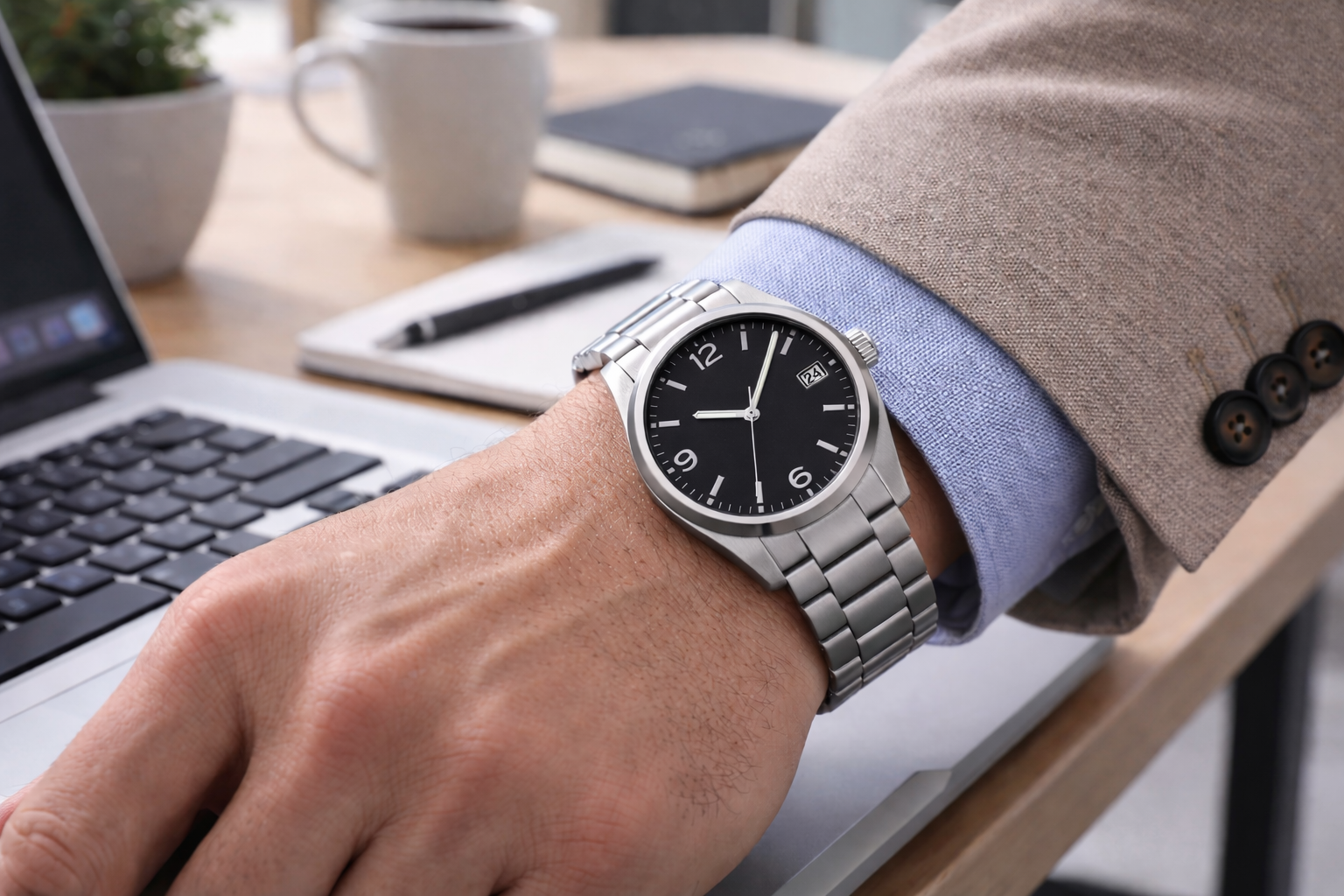
A premium-looking dial does not need to be empty. It needs to feel intentional.
That means every printed element should earn its place. Brand name, model text, or practical detail can all work if they help the design rather than weaken it. What usually hurts is not text itself, but unnecessary or poorly balanced text.
Real-life example
A well-designed watch may include just enough wording to feel complete, while another similar watch includes too much and immediately feels less polished. Buyers often sense that difference even if they cannot explain it precisely.
That is what people notice fast: not whether there is text, but whether it feels controlled.
What to check
- Does each dial element feel necessary?
- Would removing one or two lines improve the watch?
- Does the dial feel complete rather than crowded?
This also connects naturally with One Watch or Several? Which Choice Makes More Sense for Everyday Life because the watches people wear most often tend to be the ones that feel easiest and least visually tiring over time.
What Buyers Often Get Wrong
Many buyers assume:
- more dial text means more detail
- more detail means more value
- more technical wording makes a watch look more serious
But in real life, too much printed information often reduces elegance.
A watch can still be technical and well made without needing to say everything on the dial.
When Dial Text Actually Helps
Dial text can help when:
- it adds essential information cleanly
- it fits the design category
- it supports the visual balance
- it is placed with discipline
- it does not interrupt readability
So the answer is not “all text is bad.”
The answer is that badly judged text is costly to the design.
Final Thoughts
So, does a watch with more dial text look less premium?
Often, yes.
Too much dial text usually makes a watch feel busier, less calm, and less refined. In contrast, cleaner dials often look more expensive because they feel more controlled and easier to read. But text itself is not the enemy. What matters is whether the information is necessary, well placed, and visually balanced inside the overall design.
In the end, buyers usually notice one thing first:
Not what the watch is trying to say, but whether it looks confident enough not to say too much.
FAQ
1. Does more dial text make a watch look cheaper?
Often it can. Too much text usually makes the dial feel busier and less refined.
2. Is a completely clean dial always better?
Not always. Some text is useful and can look good when it is placed carefully and supports the design.
3. Why do minimalist watches often look more premium?
Because they usually feel calmer, more balanced, and easier to read, which creates a stronger impression of control.
4. Can technical watches still look premium with more text?
Yes. Tool-style or sportier watches can handle more dial information, but it still needs to be balanced well.
5. What matters more than the amount of text?
Placement, spacing, readability, and how the text fits the overall dial design matter more than the number of words alone.
6. Does dial text affect everyday wear experience?
Yes. A cleaner dial is often easier to read and less visually tiring over time.
7. What is the biggest mistake buyers make here?
A common mistake is thinking more printed detail automatically makes a watch feel more valuable or more premium.
